0%

Choosing Custom Makeup Brushes for your brand involves more than selecting attractive colors and adding a logo. The brush must perform consistently, feel comfortable, and support your brand’s quality promise. In practical product development, small details often influence customer satisfaction, including bristle softness, ferrule strength, handle balance, and packaging protection.

Start by defining the brush’s purpose and target user. A dense synthetic brush may suit liquid foundation, while a tapered shape can improve controlled blush application. Request physical samples before approving production. Test them with different formulas, wash them repeatedly, and check whether shedding, odor, staining, or loose ferrules appear. Test before scaling.

Material choices also affect performance and positioning. High-quality synthetic fibers can offer smooth application and easier maintenance, while responsibly sourced natural hair may create a different tactile experience. Suppliers should provide clear specifications, production timelines, minimum order quantities, and quality-control procedures. Reliable documentation matters, especially when products are sold across different markets.

A strong design should also reflect real customer behavior. Consider storage, cleaning instructions, grip comfort, and whether the brush remains useful after months of regular use. It is tempting to prioritize an unusual handle or dramatic packaging. That decision can weaken usability. Details matter.

No sampling process is perfect. Lighting can change how colors appear, and a brush that feels excellent on one formula may perform poorly on another. Record these limitations honestly, compare multiple samples, and revise the design when evidence disagrees with assumptions. By combining hands-on testing, supplier verification, and clear performance goals, Custom Makeup Brushes can become dependable products rather than decorative accessories.
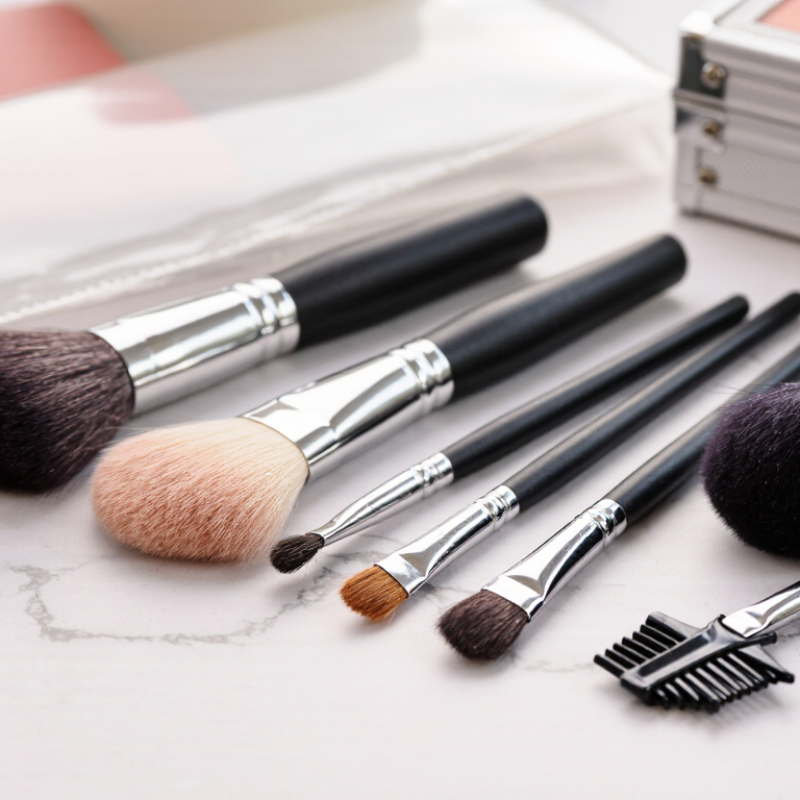
How to Choose Custom Makeup Brushes for Your Brand

Define Your Brand’s Makeup Brush Goals and Target Customers

Before choosing custom makeup brushes, define what your brand must help customers do. A beginner may need clear, forgiving tools for a five-minute routine. A professional artist may expect dense fibers, precise edges, and controlled product pickup. Start with use. Vague goals can create attractive samples that perform poorly at the vanity. Write three measurable aims, such as soft blending, minimal shedding, or quick cleaning. Keep each aim tied to a customer problem.

Study your target customers through product reviews, interviews, and small trial groups. Notice hand size, makeup habits, skin sensitivity concerns, and preferred application speed. Texture matters. A short handle can suit travel kits, while a longer handle may offer better control at a studio table. Test several fiber shapes with the formulas your audience uses, including powder, cream, and liquid products. Record pickup, blending, fallout, washing time, and drying condition. Do not trust one tester.

A reliable development process also checks ferrule security, handle grip, fiber consistency, and cleaning instructions. Ask an experienced makeup educator to assess pressure, balance, and movement. Then repeat the test after multiple washes. One early sample looked elegant but felt slippery with damp hands. That mistake changed the handle finish. Build honest customer feedback into revisions, even when it delays launch. Your brush set should reflect real routines, not only polished product photographs.

Choose Brush Types Based on Product Use and Application Needs

How to Choose Custom Makeup Brushes for Your Brand

Choose brush types according to the product, finish, and application pressure your customers expect. A dense, rounded brush spreads liquid foundation evenly across cheeks and the forehead. A smaller, tapered brush gives concealer better control around the nose and under the eyes. Loose powder needs softer, fuller fibers. Otherwise, the brush may lift the base.

Cream blush often works well with a compact duo-fiber or angled shape. It should blend color without leaving a sharp edge. For powder blush, slightly firmer fibers can build pigment gradually. Eyeshadow requires more variation. Use a flat brush for packing color, a fluffy brush for blending, and a narrow brush for the crease. Small details matter here.

I have found that sample testing reveals problems that specifications miss. Test each brush with the actual formula, not only water or practice pigment. Check whether fibers absorb too much product. Watch for shedding after repeated washing. Handle length also affects control, especially for beginners. I once approved a brush that felt elegant but slipped during detailed work. That decision needed reconsideration. A beautiful shape is not always a useful shape. Evaluate application speed, comfort, cleaning behavior, and the final makeup finish before confirming your custom brush set.

Select Suitable Materials for Bristles, Handles, and Ferrules

Choosing the right materials can determine how your custom makeup brush feels, performs, and survives daily use. Bristles deserve careful testing. Synthetic fibers offer consistent shape, easy cleaning, and controlled product pickup. They often suit liquid and cream formulas because they absorb less product. Natural hair can create a soft, diffused finish, but its texture may vary between batches. Check softness, spring, shedding, odor, and performance after repeated washing.

The handle should match the user’s routine. Wood feels warm and lightweight, but it needs a stable protective coating. Recycled plastic can provide consistent dimensions and moisture resistance. Aluminum feels modern and durable, although it may become uncomfortable in cold conditions. Test the grip with dry and slightly damp hands. A beautiful prototype may still feel tiring after ten minutes.

The ferrule connects performance to durability. Aluminum is lightweight and resists corrosion when properly finished. Brass offers useful strength, but it adds weight and requires a reliable surface treatment. The ferrule should hold the bristles firmly without sharp edges or visible gaps. Ask suppliers to test pull strength, repeated bending, and cleaning exposure. Do not rely on one sample. Production can differ. I once underestimated how much a small ferrule change affected balance and control. Recheck the complete brush, not only individual materials. Feedback from professional artists and everyday users can reveal problems laboratory checks miss.

How to Choose Custom Makeup Brushes for Your Brand

Select suitable materials for bristles, handles, and ferrules

The chart uses a comparative 1–5 procurement score based on commonly recognized material characteristics. Synthetic PBT and Taklon bristles offer consistent performance and easy care, while goat hair provides a soft, premium feel. ABS and aluminum handles balance cost and durability, whereas stainless steel and brass ferrules offer strong structural performance. Always confirm the final choice with supplier samples, coating tests, and wear testing.

Evaluate Manufacturers, Customization Options, and Quality Standards

Choosing custom makeup brushes begins with evaluating the manufacturer, not attractive packaging. Request factory photos, production records, worker training details, and recent quality reports. A reliable supplier should explain fiber sources, adhesive specifications, handle materials, and inspection steps. Ask whether the same standards apply to every batch. They should. In practice, polished answers can hide uneven trimming. Inspect samples yourself.

Customization should support application, not merely appearance. Define brush shapes, fiber density, ferrule finish, handle dimensions, logo placement, and packaging materials in a written specification. Order samples before approving bulk production. Test powder pickup, liquid control, shedding, odor, washing durability, and balance in the hand. A small pilot run helps expose problems. It may also expose your assumptions. I once favored an unusually soft fiber, then found it lacked precision around the eye.

Quality control needs measurable checkpoints. Use incoming-material inspection, in-process checks, final visual review, and batch retention samples. Ask for pull testing, ferrule adhesion testing, color consistency records, and sanitation procedures. Standards and test methods should match the markets where products will be sold. Request traceable documents, not vague promises. Independent testing can verify material safety and restricted-substance compliance. No inspection removes every risk, but documented corrective actions improve reliability. Leave room for revision; the first specification is rarely perfect.

Test Samples, Confirm Costs, and Plan Production for Your Brand

Choosing custom makeup brushes for a private label requires more than selecting a handle color. Test samples before discussing large production quantities. Request several brush shapes, fiber densities, ferrule finishes, and handle materials. Use them with liquid, cream, and powder formulas. Check pickup, blending, shedding, odor, and comfort after repeated washing.

Do not judge a sample after one use. Keep a simple test record. Note application time, product waste, drying behavior, and skin feel. Inspect the ferrule for looseness and examine the glue line under bright light. The first sample may look attractive but perform poorly. That is common. A softer brush is not always better. Some designs feel luxurious yet lose control around the eyes. Your testing team should include makeup users with different techniques and preferences.

After approving the sample, confirm every cost in writing. Separate brush pricing from artwork, mold charges, packaging, sampling, inspection, and shipping. Ask whether the quoted price changes with fiber length or order volume. Calculate the landed cost, not only the factory price. Then create a production timeline with approval deadlines, material purchasing, assembly, inspection, and final delivery. Build in extra time for revisions. Delays happen. A written specification sheet should state dimensions, tolerances, colors, materials, logo placement, and acceptable defect limits. Before mass production, approve a pre-production sample and retain one reference unit for inspection.

FAQS

How should a makeup brush collection begin?

Define three measurable goals. Examples include softer blending, less shedding, and faster cleaning. Link each goal to a customer problem.

How can customer research improve brush design?

Study reviews, interviews, and small trial groups. Observe hand size, skin concerns, makeup habits, and application speed. Do not trust one tester.

Which brush shapes suit common makeup products?

Use dense, rounded brushes for liquid foundation. Choose tapered brushes for concealer around the nose and eyes. Loose powder needs softer, fuller fibers.

What brush shapes help with eye makeup?

Flat brushes pack on color. Fluffy brushes blend edges. Narrow brushes define the crease. Small details matter.

Which bristle materials should be tested?

Synthetic fibers offer consistent shape and easier cleaning. They usually absorb less liquid and cream product. Natural hair can create a soft finish, but batch texture may vary.

What should testing reveal beyond appearance?

Test brushes with real formulas, not only water. Record product pickup, fallout, blending, washing time, and drying condition. A beautiful shape may still perform poorly.

How should handles be evaluated?

Test short and long handles with the intended users. Short handles may suit travel kits. Longer handles can improve control at a studio table. Grip matters.

How can ferrules affect brush quality?

Check ferrule security, balance, edges, and visible gaps. Request pull-strength and repeated-bending tests. Recheck performance after cleaning exposure. One sample is not enough.

What mistakes can happen during brush development?

A polished sample may feel slippery with damp hands. Another may feel tiring after ten minutes. Revise the finish, balance, or shape when feedback exposes the problem. I would not approve appearance alone.

Conclusion

Choosing Custom Makeup Brushes for your brand begins with defining your goals, target customers, and the experience you want to create. Consider whether your audience values professional performance, everyday convenience, luxury presentation, sustainability, or affordability. Then select brush types according to the products they will apply, such as powder, liquid, cream, or detailed formulas, while ensuring each shape and density supports accurate, comfortable application.

Material selection is equally important. Evaluate bristle softness, durability, handle design, and ferrule strength to achieve the right balance of performance and appearance. When comparing manufacturers, review their production capabilities, customization services, quality standards, and communication process. Request samples to assess shedding, balance, finish, and usability before making a decision. Finally, confirm unit costs, minimum order quantities, packaging details, lead times, and production schedules. A structured testing and planning process helps your brand create reliable, appealing brushes that meet customer expectations and support consistent product quality.

Evelyn

Evelyn

Evelyn is a dedicated marketing professional with a strong understanding of the company’s products, services, and customers. With a thoughtful approach to communication and a talent for turning complex information into clear, practical insights, she regularly contributes professional articles to......