Blog
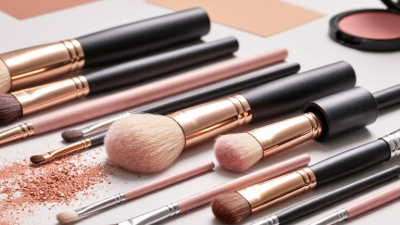
2026 Best Custom Cosmetic Brush Development for Brands?
The best custom brush is not simply the softest one. It must feel balanced in the hand, pick up product evenly, and suit the way customers actually apply makeup. Custom Cosmetic Brush Development brings those details together, from handle shape and ferrule fit to bristle material, density, and finish. Small choices matter. A brush that looks elegant on a screen may feel heavy after several minutes of use.
Product-design researcher Don Norman offers a useful principle: “Design is really an act of communication, which means having a deep understanding of the person with whom the designer is communicating.” For beauty brands, that means translating customer needs into testable product decisions—not relying on appearance alone. Sample brushes with real formulas, check shedding and cleaning, and compare how each shape performs across different techniques. A few careful tests can reveal more than a polished presentation. Still, development is rarely perfect on the first attempt. A handle may need a second revision, or a bristle blend may feel softer but lose control. That is worth admitting. This guide explores how brands can assess suppliers, refine prototypes, and build a brush collection with a clear purpose for 2026.
Read more »
 By:Elara
- October 30, 2026
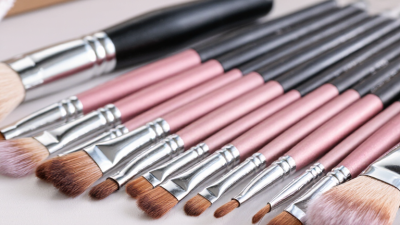
China Best Cosmetic Brush Contract Manufacturer?
Choosing the China best cosmetic brush contract manufacturer requires more than comparing prices. It demands evidence, technical judgment, and careful communication. A reliable partner should understand brush design, cosmetic compatibility, packaging, and international quality expectations. Their experience should be visible in factory records, sample consistency, and documented inspection procedures.
Cosmetic Brush Contract Manufacturing can support private labels, professional makeup brands, and growing retailers. The right manufacturer may offer material selection, prototype development, color matching, assembly, and packaging support. Look closely at bristle softness, shedding resistance, ferrule alignment, handle finishing, and odor control. A well-made brush should feel balanced in the hand and keep its shape after repeated cleaning. Small details matter.
Ask for recent samples, production photos, quality records, and clear communication about minimum order quantities. Confirm whether the supplier can provide material documentation and support applicable product safety requirements in target markets. Factory audits, third-party inspections, and batch testing can reduce avoidable risks. Do not rely only on polished catalogs.
Real projects are rarely perfect. Sample approval may expose uneven glue, slight color differences, or packaging damage. That is useful information, not failure. A thoughtful manufacturer should explain the cause and propose a measurable correction. Still, some claims deserve doubt. “Best” is not a permanent label; it depends on your product, budget, volume, and launch schedule. Compare demonstrated capability, not promises. A practical evaluation can reveal which Chinese contract manufacturer deserves long-term trust.
Read more »
By:Elara
- October 25, 2026
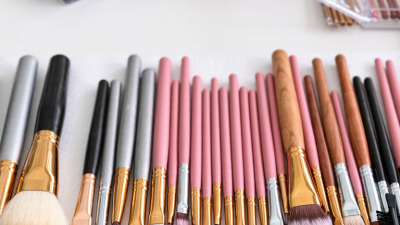
What Is Wholesale Makeup Brushes and How to Buy Them?
Wholesale Makeup Brushes can help retailers, salons, beauty schools, and online stores build a consistent product range. Yet buying in bulk involves more than choosing attractive handles. Brush shape, fiber softness, ferrule strength, packaging, and minimum order quantity all affect the final value.
A reliable buyer should examine samples before placing a large order. Test several brushes on the hand and face. Check whether the bristles shed after gentle washing. Look for uneven trimming, loose ferrules, strong chemical odors, and rough handles. Small flaws matter. Customers notice them quickly.
Supplier verification is equally important. Review business records, product specifications, factory photos, sample policies, and communication quality. Ask how materials are sourced and how products are inspected. Request clear pricing, production timelines, packaging details, and shipping terms. Do not rely only on polished catalog images. They may hide practical weaknesses.
A thoughtful purchasing plan also considers hygiene and storage. Brushes should arrive clean, dry, sealed, and protected from dust. Retail packaging must support safe handling and accurate product information. Regional labeling and consumer-safety requirements should be checked before selling. Requirements vary.
Price is not the whole story. A cheaper brush may create more returns, complaints, and wasted inventory. However, higher prices do not automatically prove better quality. That assumption deserves questioning. Comparing samples, supplier reliability, total landed cost, and customer expectations creates a more balanced decision. This guide explains what wholesale makeup brushes are, how they are evaluated, and how buyers can purchase them with fewer avoidable mistakes.
Read more »
By:Elara
- October 15, 2026
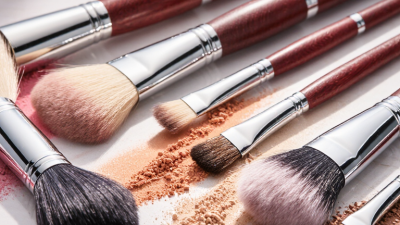
7 Best Premium Makeup Brush Manufacturers in 2026
Choosing among the 7 Best Premium Makeup Brush Manufacturers in 2026 requires more than attractive packaging or celebrity partnerships. Premium Makeup Brush Manufacturing is built around small, practical details: fiber consistency, ferrule pressure, handle balance, and controlled shedding after repeated washing. A brush may look elegant under studio lights, yet feel scratchy on the cheek. That difference matters to artists, retailers, and everyday users.
Rae Morris, a respected makeup artist and brush specialist, has often expressed the principle clearly: “A good brush is an investment.” Her view reflects professional experience. A premium brush should place product accurately, blend without patchiness, and remain comfortable during long application sessions. Manufacturers also need reliable sampling, documented quality checks, and transparent material information. Those points can reveal more than a polished catalog.
This guide examines seven leading manufacturers through a practical lens. It considers craftsmanship, customization, production consistency, minimum order expectations, and after-sales support. It also looks at synthetic fiber performance, because “vegan” does not automatically mean soft, durable, or well-designed. That assumption deserves questioning.
The ranking is useful, but not flawless. Factory capabilities change. Lead times shift. Even excellent makers can produce inconsistent batches. Therefore, buyers should request samples, inspect the ferrule closely, test washing resistance, and compare brush density by hand. A beautiful prototype proves very little.
For brands entering the premium beauty market, the right partner can protect product reputation. The wrong one can create returns, uneven application, and avoidable waste. This overview aims to make that decision clearer, while acknowledging that real performance begins beyond the brochure.
Read more »
By:Elara
- October 10, 2026
How to Choose Eco Friendly Makeup Brushes?
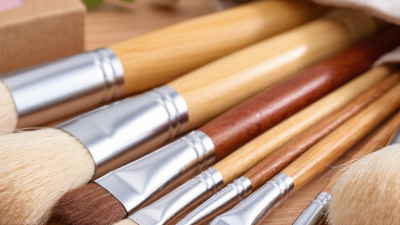
Choosing Eco-Friendly Makeup Brushes begins with a practical question: what happens after the last sweep of powder? A brush may look natural, yet its handle, glue, bristles, and packaging can tell a different story.
The global beauty industry continues expanding. McKinsey estimates that the beauty market could reach approximately $590 billion by 2028. Meanwhile, the Ellen MacArthur Foundation reports that only a small share of plastic packaging is effectively recycled worldwide. These figures do not measure makeup brushes directly. However, they reveal why material choices deserve closer attention. Eco-Friendly Makeup Brushes may use bamboo, recycled aluminum, plant-based fibers, or responsibly sourced wood. Each option has advantages, and none is automatically perfect.
“Natural does not automatically mean sustainable,” explains Jenni Middleton, a beauty-industry sustainability commentator and former beauty editorial director. Her warning matters. A bamboo handle can still carry an unclear coating, while synthetic bristles may last longer and reduce animal-derived materials. The honest answer is rarely simple.
This guide examines bristle performance, handle sourcing, ferrule durability, packaging, cleaning, and end-of-life disposal. Look closely at the ferrule. Loose metal, visible glue, or shedding fibers can signal poor construction. Check whether brands publish supplier standards, recycled content, or third-party certifications. Claims without evidence should invite hesitation.
There is room for doubt.
A truly responsible choice balances durability, hygiene, cruelty-free design, and realistic disposal options. The greenest brush is not always the one with the most natural-looking label. It is often the brush that performs well, survives frequent washing, and stays useful for years.
Read more »
By:Elara
- October 5, 2026
How to Choose Makeup Brush ODM Services in 2026?
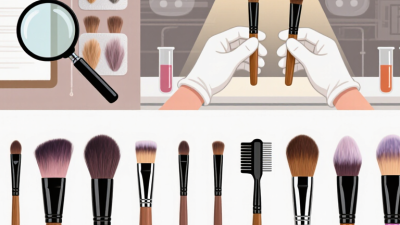
Choosing the right Makeup Brush ODM Services in 2026 requires more than comparing factory prices. Brands must examine product quality, development skills, communication, and supply reliability. A brush may look elegant in a catalog but feel unbalanced in the hand. Its ferrule may loosen after repeated washing. Small details matter.
Experienced buyers usually begin with samples, not promises. Request several brush shapes, fiber options, handle materials, and packaging prototypes. Test shedding, softness, density, drying time, and odor under realistic conditions. Ask how the supplier controls raw materials and inspects finished products. Clear records, documented procedures, and relevant certifications can strengthen trust. However, certificates alone do not prove consistent performance. They need practical verification.
A capable ODM partner should also understand current beauty trends, retail expectations, and regional compliance requirements. Discuss minimum order quantities, mold ownership, formula or material changes, lead times, and quality standards before signing. Review how the team handles defective goods and delayed shipments. This conversation often reveals more than a polished presentation. Stay cautious.
No supplier is perfect. Even a skilled factory may misjudge a color, underestimate demand, or communicate poorly during a rushed launch. Brands should therefore use written specifications, approval samples, inspection checkpoints, and realistic schedules. Independent testing may also be appropriate for materials that touch the skin. The best decision balances creativity, evidence, cost, and long-term cooperation. In 2026, reliable Makeup Brush ODM Services should help a brand move from concept to shelf with fewer surprises, not simply offer the lowest quotation.
Read more »
 By:Evelyn
- September 30, 2026
Why Choose Private Label Makeup Brushes for Your Brand?
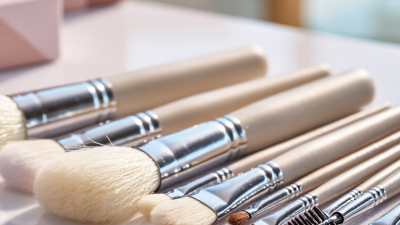
Private Label Makeup Brushes give beauty brands a practical way to build recognition through a daily-use product. A brush touches the customer’s hand, face, and routine. Its weight, softness, ferrule strength, and cleaning performance can influence repeat purchase decisions.
The opportunity is supported by broader beauty-market evidence. McKinsey’s The Beauty Market in 2023 report projects the global beauty industry could approach $580 billion by 2027, with continued growth across makeup and related categories. Circana’s 2023 U.S. prestige beauty review also reported strong, double-digit growth in prestige makeup sales. These figures do not guarantee success for every brush launch. They show a market willing to spend when performance feels credible.
Private label can shorten the path from concept to shelf. Brands can select synthetic fibers, handle finishes, ferrule colors, packaging formats, and brush shapes around a defined customer profile. A soft foundation brush may suit beginners, while a dense angled brush may serve experienced artists. NielsenIQ’s private-label research has repeatedly shown that shoppers increasingly judge store brands by quality, not price alone. That shift matters.
But customization is not automatically differentiation. A beautiful handle cannot hide shedding fibers or loose glue. Brands should request samples, test washing cycles, inspect edge consistency, and document supplier specifications. The data is useful, but imperfect. Consumer preference changes quickly, and “professional” claims require evidence. A thoughtful Private Label Makeup Brushes program therefore combines market research, controlled quality checks, and honest product communication. That is where a private-label idea becomes a dependable brand asset.
Read more »
By:Elara
- September 23, 2026
How to Choose a Makeup Brush OEM Manufacturer in 2026?
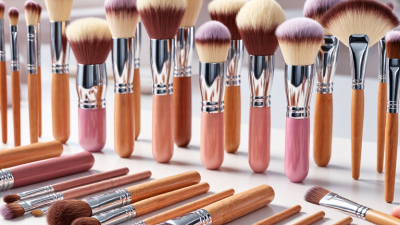
Choosing a Makeup Brush OEM Manufacturing partner in 2026 requires more than comparing unit prices. The global beauty industry is moving quickly. McKinsey’s 2023 beauty report projected the market could approach $580 billion by 2027. Circana also reported a 14% increase in U.S. prestige makeup sales during 2023. These figures suggest stronger demand, but they also raise buyer expectations for consistency, safety, and design quality.
Performance matters.
Rae Morris, professional makeup artist and brush designer, has said, “A brush is an extension of your hand.” That idea should guide OEM evaluation. A factory must understand ferrule balance, filament softness, shedding resistance, handle ergonomics, and repeatable assembly. Ask for production samples, not only digital catalogs. Test the brush after washing, drying, pressing, and daily use. Examine the glue line closely. Small defects become expensive returns.
This guide explains how to assess a manufacturer’s experience, technical controls, materials, sampling process, minimum order quantities, and communication habits. Certifications can support credibility, but they cannot replace factory audits or independent testing. A polished website proves little. Neither does the lowest quotation. No supplier is flawless. Even experienced manufacturers may miss a color variation or packaging detail. That is why clear specifications, signed approvals, inspection checkpoints, and realistic timelines matter. The right partner should improve the product, not simply produce it. It should also admit limitations before they become problems.
Read more »
By:Elara
- September 23, 2026
How to Choose Custom Makeup Brushes for Your Brand
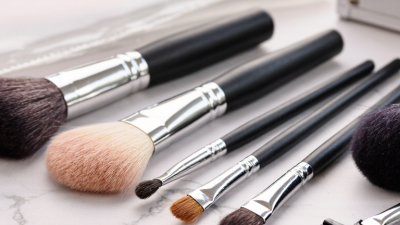
Choosing Custom Makeup Brushes for your brand involves more than selecting attractive colors and adding a logo. The brush must perform consistently, feel comfortable, and support your brand’s quality promise. In practical product development, small details often influence customer satisfaction, including bristle softness, ferrule strength, handle balance, and packaging protection.
Start by defining the brush’s purpose and target user. A dense synthetic brush may suit liquid foundation, while a tapered shape can improve controlled blush application. Request physical samples before approving production. Test them with different formulas, wash them repeatedly, and check whether shedding, odor, staining, or loose ferrules appear. Test before scaling.
Material choices also affect performance and positioning. High-quality synthetic fibers can offer smooth application and easier maintenance, while responsibly sourced natural hair may create a different tactile experience. Suppliers should provide clear specifications, production timelines, minimum order quantities, and quality-control procedures. Reliable documentation matters, especially when products are sold across different markets.
A strong design should also reflect real customer behavior. Consider storage, cleaning instructions, grip comfort, and whether the brush remains useful after months of regular use. It is tempting to prioritize an unusual handle or dramatic packaging. That decision can weaken usability. Details matter.
No sampling process is perfect. Lighting can change how colors appear, and a brush that feels excellent on one formula may perform poorly on another. Record these limitations honestly, compare multiple samples, and revise the design when evidence disagrees with assumptions. By combining hands-on testing, supplier verification, and clear performance goals, Custom Makeup Brushes can become dependable products rather than decorative accessories.
Read more »
By:Evelyn
- September 23, 2026