0%

Choosing the right Makeup Brush ODM Services in 2026 requires more than comparing factory prices. Brands must examine product quality, development skills, communication, and supply reliability. A brush may look elegant in a catalog but feel unbalanced in the hand. Its ferrule may loosen after repeated washing. Small details matter.

Experienced buyers usually begin with samples, not promises. Request several brush shapes, fiber options, handle materials, and packaging prototypes. Test shedding, softness, density, drying time, and odor under realistic conditions. Ask how the supplier controls raw materials and inspects finished products. Clear records, documented procedures, and relevant certifications can strengthen trust. However, certificates alone do not prove consistent performance. They need practical verification.

A capable ODM partner should also understand current beauty trends, retail expectations, and regional compliance requirements. Discuss minimum order quantities, mold ownership, formula or material changes, lead times, and quality standards before signing. Review how the team handles defective goods and delayed shipments. This conversation often reveals more than a polished presentation. Stay cautious.

No supplier is perfect. Even a skilled factory may misjudge a color, underestimate demand, or communicate poorly during a rushed launch. Brands should therefore use written specifications, approval samples, inspection checkpoints, and realistic schedules. Independent testing may also be appropriate for materials that touch the skin. The best decision balances creativity, evidence, cost, and long-term cooperation. In 2026, reliable Makeup Brush ODM Services should help a brand move from concept to shelf with fewer surprises, not simply offer the lowest quotation.
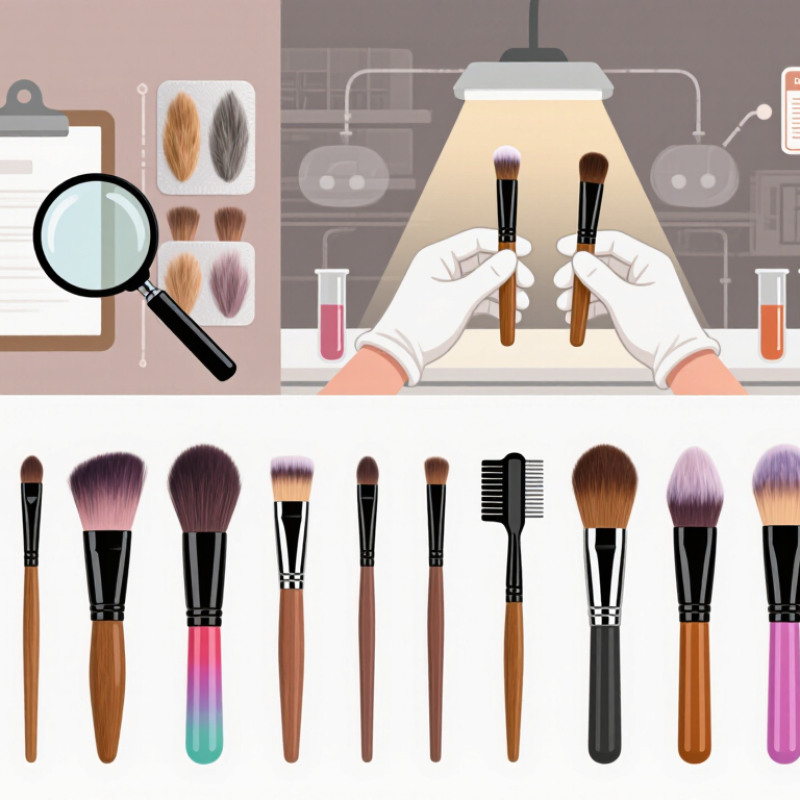
How to Choose Makeup Brush ODM Services in 2026?

Understanding Makeup Brush ODM Services in 2026

Understanding Makeup Brush ODM Services in 2026

Makeup brush ODM services turn a product idea into a ready-to-manufacture design. The provider may develop brush shapes, select materials, create samples, and prepare production specifications. You bring the intended use, target price, and customer expectations. The service team helps translate them into practical choices. For example, a powder brush needs a different shape and fiber density from a narrow concealer brush. Small details matter. Handle balance, ferrule fit, and how fibers hold their shape can affect daily use. Ask who approves each design change and whether you can review a physical sample before production.

A clear ODM process should document materials, measurements, color references, packaging, and inspection criteria. Request details about fiber shedding checks, handle finish, and sample revisions. Don’t rely on a polished presentation alone. A sample that feels soft in a showroom may behave differently after washing or repeated use. Ask how the provider tests durability and records quality results, then confirm which checks apply to your order. Also discuss minimum quantities, production timing, and who owns the final artwork and design files. Communication can be uneven, even with a detailed brief. That part deserves attention. Keep written approvals for key specifications, and leave room for one more review; the first sample is not always the right one.

Defining Your Brand’s Brush Product Requirements

Defining Your Brand’s Brush Product Requirements

Before contacting makeup brush ODM services, turn your product idea into clear, testable requirements. Decide which brush types your range needs, such as a flat foundation brush, a tapered powder brush, or a small detail brush. Note the intended user, price range, and where each brush will be used. A vague brief often leads to samples that look attractive but feel wrong in the hand.

Get specific about construction. Describe the bristle material, shape, density, handle length, weight, and finish. For example, a soft, loosely packed brush may suit diffused powder, while a firmer, compact head can offer more control with cream products. Ask for sample testing across several uses, and record shedding, odor, washing results, and how quickly the brush dries. Small differences matter.

Packaging and quality checks belong in the brief, too. Specify individual sleeves, protective caps, or a set pouch, then confirm how dimensions and colors will be checked against approved samples. If you do not know the ideal density yet, say so. That is better than pretending the specification is settled. Requirements can change after testing, but keep revisions documented so both sides are working from the same version.

How to Choose Makeup Brush ODM Services in 2026? - Defining Your Brand’s Brush Product Requirements

Requirement Area What to Define Questions for an ODM Partner How to Verify
Brush assortment List each intended use, such as foundation, powder, blush, eyeshadow, or detail work. Specify the number of brush shapes and whether sets or individual brushes are required. Which shapes are available from existing tooling, and which would require new development? Review a numbered product brief, shape drawings, and physical samples for every brush in the proposed assortment.
Head shape and dimensions Define head length, width, density, profile, and intended application area. Use measurements and reference images rather than descriptions such as “large” or “soft.” Can the supplier provide dimensioned drawings and agreed tolerances for each brush head? Measure approved samples and confirm the same reference points will be used in production inspections.
Filament material State the preferred synthetic or natural hair type, filament diameter or feel where relevant, and any material restrictions. Do not assume performance from the material name alone. What material documentation and traceability information can be supplied for the proposed filaments? Assess samples for pickup, release, softness, shape retention, and shedding under the intended use conditions.
Ferrule and handle Specify ferrule material, finish, shape, handle material, length, weight preference, and connection requirements. Identify any coating or decoration needs. Which construction and decoration options are available, and how are coating durability and assembly checked? Inspect fit, finish, alignment, and bonding on samples; agree on checks for loose ferrules, surface defects, and handle damage.
Performance and durability Describe the expected application tasks and user experience, including blending, precision, comfort, and cleaning expectations. What practical tests can be performed for shedding, shape recovery, ferrule security, and cleaning resistance? Agree on written test methods and acceptance criteria before sampling or production. Test brushes after repeated use and cleaning.
Safety and compliance Identify the intended sales markets and applicable product, chemical, labeling, and packaging requirements for those markets. Can the supplier provide relevant material declarations, test reports, and supporting compliance records for review? Have qualified compliance personnel review current documents against the product composition and destination-market requirements.
Decoration and packaging Define artwork placement, color references, print method, protective packaging, set configuration, and required product information. Can artwork proofs and packaging samples be approved before bulk production? What file formats and specifications are needed? Approve a production-intent sample and check print legibility, color, packaging fit, and protection during shipping.
Sampling and approvals Set out the sample stages, decision-makers, feedback process, and the version that will serve as the approved production reference. How are sample revisions documented, and how does the supplier prevent unapproved changes? Keep dated, version-controlled specifications and retain a signed or otherwise clearly identified approval sample.
Production and quality controls Define order quantities, inspection points, defect categories, acceptance criteria, and documentation needed for each shipment. What in-process and final inspections are available, and how are nonconforming products handled? Review the proposed inspection plan and sample inspection records; agree on corrective-action and reinspection procedures.
Commercial and delivery planning Request quotations by brush configuration and identify tooling, sampling, packaging, lead-time, and shipping assumptions. Which costs and timelines depend on material availability, customization, or order quantity? Compare written quotations on the same specification and confirm milestones, change-control terms, and delivery responsibilities.

Use this checklist as a product-brief template. Final specifications, test methods, compliance needs, costs, and timelines should be confirmed with the selected supplier and qualified reviewers.

Evaluating ODM Manufacturers and Production Capabilities

Choosing a makeup brush ODM in 2026 requires more than comparing quotations. McKinsey estimates that the global beauty market could reach about $580 billion by 2027, with annual growth near 6%. This growth increases pressure on suppliers to deliver stable quality, not only attractive samples. Ask each manufacturer for recent production records, monthly capacity, minimum order quantities, and lead-time data. A polished showroom proves little.

Evaluate the factory floor closely. Check fiber alignment, shedding resistance, ferrule crimping, handle coating, and assembly consistency. Request batch-level inspection reports and testing procedures. ISO 9001 certification can indicate structured quality management, while ISO 2859-1 sampling offers a practical acceptance framework. For synthetic fibers, test softness after repeated washing and exposure to common cosmetic ingredients. Small details matter.

Production flexibility also separates capable ODM partners from ordinary vendors. Confirm whether they can adjust shapes, densities, colors, packaging, and tooling without disrupting schedules. Request pilot runs before committing to full production. A low defect rate may still hide weak traceability. I have seen impressive samples fail during scale-up, especially when manual trimming increases. That risk deserves honest discussion. Euromonitor’s beauty research also highlights rising demand for convenient, multifunctional products, so the supplier should support rapid, controlled product iteration. Do not trust promises alone. Verify them on the line.

How to Choose Makeup Brush ODM Services in 2026?

Evaluating ODM Manufacturers and Production Capabilities

This neutral procurement framework compares the capabilities that matter most when selecting a makeup brush ODM partner. Product quality and consistency receive the highest weighting, followed by material safety, production scalability, quality control, customization, lead-time reliability, and documentation. Buyers should validate each score through factory audits, sample testing, compliance records, and production references.

Reviewing Materials, Safety Standards, and Quality Controls

Choosing makeup brush ODM services in 2026 requires more than reviewing a polished sample. Material safety and production discipline matter just as much. In factory evaluations, examine fiber softness, uniformity, odor, and shedding. Synthetic fibers offer consistent shape and easier cleaning. Natural hair may feel luxurious, but its sourcing and treatment require closer verification. Ferrules should resist rust, sharp edges, and loosening. Handles need smooth finishes without paint flaking or strong chemical smells.

Ask for material specifications, supplier declarations, and relevant safety test reports. Depending on the selling market, this may include restricted-substance screening, heavy-metal testing, and skin-contact assessments. Do not accept vague claims such as “non-toxic.” Request batch numbers and traceable documents. Standards help, but paperwork alone cannot prove every production condition. That distinction is easy to miss.

Quality control should cover incoming materials, assembly, packaging, and final inspection. Useful checks include pull testing, bristle-shedding tests, ferrule alignment, odor evaluation, and repeated washing. A reasonable sampling plan can reveal defects that one perfect sample hides. Review how the ODM records failures and handles corrective actions. Their response often shows more expertise than their sales presentation. No checklist is perfect. I would still test brushes under real use, with powder, liquid products, moisture, and daily cleaning. Small issues, such as uneven density or a loose handle, become obvious after several weeks. A reliable partner welcomes uncomfortable findings and improves the process instead of hiding them.

Comparing Costs, Timelines, Customization, and Partnership Terms

Choosing makeup brush ODM services in 2026 requires more than comparing a unit price. Ask for a line-by-line quote covering bristles, ferrules, handles, packaging, sampling, tooling, and freight. A low quote may exclude mold fees or inspection costs. Request a physical sample, not only digital images. Check shedding, odor, glue marks, handle balance, and washing performance. I once accepted a cheaper sample that looked polished but lost bristles after repeated cleaning. That mistake changed my evaluation process.

Timeline promises should show real production stages. Confirm design approval, prototype revisions, material purchasing, assembly, quality inspection, and shipping dates. A practical plan may allow two weeks for samples and four to eight weeks for production. Customization and order volume can change those estimates. Ask what happens when materials arrive late. Build a small buffer. It feels inefficient, but launch schedules rarely forgive optimism. Require inspection records, batch photos, and clear acceptance standards before final payment.

Customization should match your sales evidence, not imagination. Compare handle finishes, logo methods, brush shapes, fiber blends, color matching, and recyclable packaging options. Each added detail can increase minimum order quantities and rework risk. Partnership terms deserve equal attention. Define payment milestones, mold ownership, defect replacement, confidentiality, forecast changes, and communication response times. Avoid vague exclusivity clauses. I still review these terms with technical and purchasing colleagues because creative teams can overlook cost exposure. A written response time of 24 hours is more useful than a promise to support growth.

FAQS

What does a makeup brush ODM service provide?

It can develop brush shapes, choose materials, create samples, and prepare production specifications. You provide the intended use, price range, and customer needs.

What details should a product brief include?

Describe the brush shape, fiber material, density, handle length, weight, finish, and packaging. Include measurable requirements, not only visual preferences.

Why does brush density matter?

A loose, soft head can spread powder gently. A compact head may provide better control with cream products. Small differences affect application.

How should samples be tested?

Test softness, shedding, odor, washing results, drying time, and shape retention. Test them more than once. The first sample may still be wrong.

What production information should a manufacturer provide?

Request production records, monthly capacity, minimum quantities, lead-time data, and pilot-run options. A polished showroom proves little.

Which factory details deserve close inspection?

Check fiber alignment, ferrule crimping, handle coating, and assembly consistency. Review batch inspection records and testing procedures.

How can quality remain stable during large production runs?

Use approved samples, written specifications, and batch-level inspections. Confirm how defects are recorded and traced. Scale-up can expose hidden problems.

Who should approve design changes and artwork?

Confirm the approval person before development begins. Also clarify ownership of final artwork, measurements, and design files.

What should be discussed before production starts?

Discuss minimum quantities, timing, packaging, inspection standards, and sample revisions. Keep written approvals. Communication can become uneven.

Conclusion

Choosing the right Makeup Brush ODM Services in 2026 requires a clear understanding of how product development, manufacturing, and brand customization work together. Start by defining your brush requirements, including brush types, shapes, handle designs, materials, target users, packaging preferences, and expected performance. Clear specifications help potential partners provide accurate recommendations and reduce unnecessary revisions during development.

When evaluating ODM manufacturers, consider their production capacity, development experience, sample process, communication efficiency, and ability to support large or small orders. Review the safety of bristles, handles, adhesives, coatings, and packaging, along with quality inspection procedures and consistency standards. It is also important to compare total costs, minimum order quantities, development timelines, customization options, payment conditions, and after-sales support. A reliable partner should offer transparent communication, stable quality, realistic delivery schedules, and flexible cooperation terms, helping your brand create safe, functional, and appealing makeup brushes for the 2026 market.

Evelyn

Evelyn

Evelyn is a dedicated marketing professional with a strong understanding of the company’s products, services, and customers. With a thoughtful approach to communication and a talent for turning complex information into clear, practical insights, she regularly contributes professional articles to......