0%

Choosing Eco-Friendly Makeup Brushes begins with a practical question: what happens after the last sweep of powder? A brush may look natural, yet its handle, glue, bristles, and packaging can tell a different story.

The global beauty industry continues expanding. McKinsey estimates that the beauty market could reach approximately $590 billion by 2028. Meanwhile, the Ellen MacArthur Foundation reports that only a small share of plastic packaging is effectively recycled worldwide. These figures do not measure makeup brushes directly. However, they reveal why material choices deserve closer attention. Eco-Friendly Makeup Brushes may use bamboo, recycled aluminum, plant-based fibers, or responsibly sourced wood. Each option has advantages, and none is automatically perfect.

“Natural does not automatically mean sustainable,” explains Jenni Middleton, a beauty-industry sustainability commentator and former beauty editorial director. Her warning matters. A bamboo handle can still carry an unclear coating, while synthetic bristles may last longer and reduce animal-derived materials. The honest answer is rarely simple.

This guide examines bristle performance, handle sourcing, ferrule durability, packaging, cleaning, and end-of-life disposal. Look closely at the ferrule. Loose metal, visible glue, or shedding fibers can signal poor construction. Check whether brands publish supplier standards, recycled content, or third-party certifications. Claims without evidence should invite hesitation.

There is room for doubt.

A truly responsible choice balances durability, hygiene, cruelty-free design, and realistic disposal options. The greenest brush is not always the one with the most natural-looking label. It is often the brush that performs well, survives frequent washing, and stays useful for years.
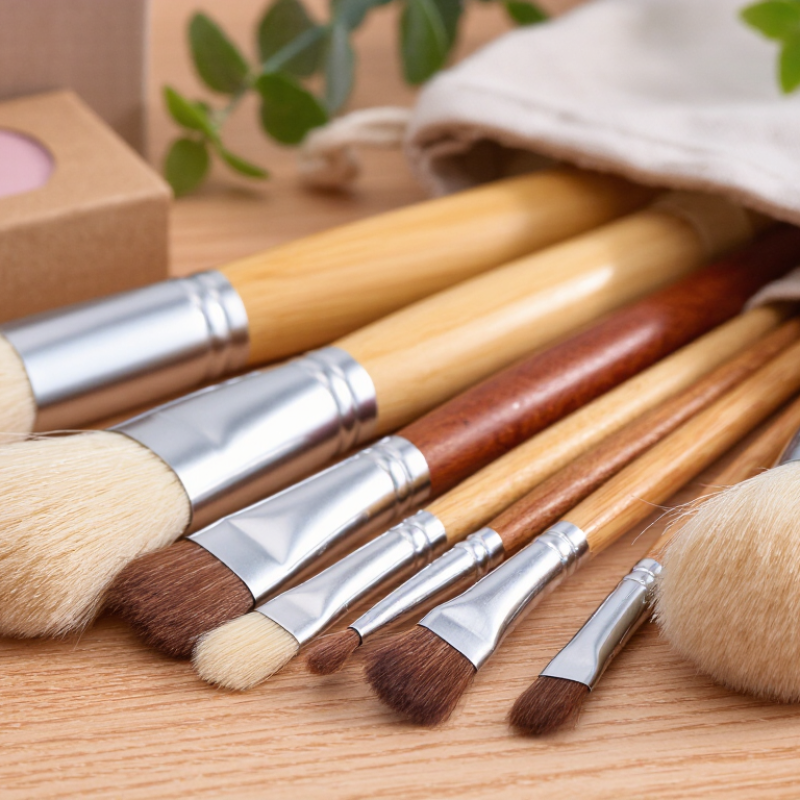
How to Choose Eco Friendly Makeup Brushes?

What Makes a Makeup Brush Eco-Friendly?

Eco-friendly makeup brushes begin with their materials, not a green label. Look for handles made from responsibly sourced wood, bamboo, recycled aluminum, or durable recycled plastic. The handle should feel solid, smooth, and easy to clean. Loose ferrules often shorten a brush’s life.

Brush fibers deserve equal attention. Synthetic fibers can avoid animal-derived hair and usually dry faster after washing. However, synthetic does not automatically mean sustainable. Check whether the fibers contain recycled content and whether the brush can be repaired or recycled locally. Packaging matters, too. Minimal cardboard is usually preferable to layers of plastic and foam. Reliable information should explain material sources, manufacturing practices, and disposal limits. Vague claims are a warning sign.

Tips: Hold the brush before buying. A balanced handle and secure ferrule suggest better durability. Wash it gently, then dry it flat with the fibers extending beyond the counter. Replace it only when shedding, odor, or damage affects performance. Careful maintenance can reduce waste more than frequent eco upgrades. Still, no brush is perfectly harmless. Bamboo may require coatings, recycled materials still use energy, and recycling programs vary by location. A long-lasting brush, used fully, may be wiser than a fashionable sustainability claim.

How to Compare Sustainable Brush Materials

Choosing an eco-friendly makeup brush starts with its material map, not a green label. In my product testing, I examine the handle, ferrule, bristles, glue, and disposal route separately. That inspection often changes the buying decision. The OECD’s Global Plastics Outlook (2022) reports 353 million tonnes of plastic waste in 2019, with only 9% recycled. A recycled-plastic handle can reduce virgin demand, but mixed fibers and glue may still prevent recycling.

For handles, bamboo and certified wood are renewable options, yet harvesting and coatings still matter. Look for traceable forestry certification and water-resistant finishes without unnecessary layers. Aluminum is highly durable, and the International Aluminium Institute reports that recycling uses up to 95% less energy than primary production. It is a strong choice. However, mining impacts and transport should not disappear from comparison. Nylon and PBT bristles offer consistent shape and easier vegan specifications. Bio-based nylon sounds better, but its feedstock and end-of-life evidence require checking. Not always.

Animal hair may feel soft, yet welfare, traceability, and shedding deserve direct questions. A softer brush is not automatically sustainable. I prefer dense, replaceable heads when available, because one damaged part should not discard the whole tool. Still, replacement systems can fail when spare heads are unavailable. That is the uncomfortable test. Compare lifespan, cleaning frequency, packaging, and disposal instructions, not material names alone.

How to Assess Brush Quality, Durability, and Performance

How to Choose Eco Friendly Makeup Brushes?

When assessing an eco-friendly makeup brush, inspect construction before appearance. A smooth handle should feel balanced, not slippery or hollow. Bamboo can be renewable, but it still needs responsible sourcing and protective finishing. Look for clear material details and credible environmental certifications when available. Vague claims deserve caution. I once chose a brush because its handle looked natural, but the coating cracked after several washes.

Check the ferrule carefully. It should fit tightly around the handle without movement or visible gaps. Press the bristles gently against your palm. Quality fibers should feel soft, spring back, and hold their shape. Loose strands suggest weak bonding. Synthetic bristles can perform well with powders, creams, and liquids. Their consistency is often easier to maintain than animal hair. However, softness alone does not prove performance.

Test the brush with a small amount of product. It should distribute color evenly without harsh lines or excessive absorption. Wash it with mild soap and lukewarm water, keeping moisture away from the handle joint. Dry it flat, then inspect shedding, odor, and shape. Repeat this test several times. Real durability appears through routine care, not one impressive first use. My own testing was imperfect because drying conditions changed between brushes. That limitation matters. Compare brushes under similar conditions before judging their quality.

How to Choose Ethical and Low-Waste Brush Packaging

How to Choose Eco Friendly Makeup Brushes?

How to Choose Ethical and Low-Waste Brush Packaging

A responsible brush package should protect the handle and bristles without excess material. I look for a fitted paper sleeve, molded-pulp tray, or small recycled-cardboard box. The brush should not rattle inside. That detail matters during shipping. Choose packaging with clear recycled-content information and responsibly sourced paper certification. Water-based inks can also reduce some chemical concerns, although disposal conditions still vary. Avoid glossy plastic coatings when ordinary paper can provide enough durability.

Ethical packaging involves people, not only materials. Ask suppliers where paper is produced, how workers are protected, and whether production records are available. A transparent supplier should explain wages, working hours, and independent audits without vague promises. Packaging should open easily, using a paper seal instead of layers of tape. A small printed recycling instruction helps, but local systems differ. I once preferred a completely plastic-free box, then noticed it absorbed moisture during storage. That choice needed reconsideration. Recycled fibers may also weaken after repeated processing, so transit testing is essential. Measure the box against the actual brush, remove empty space, and request samples before ordering large quantities. A QR code can replace a thick leaflet, but digital access is not universal. Packaging decisions are rarely perfect. The practical goal is less waste, honest sourcing, and dependable protection.

How to Care for Eco-Friendly Makeup Brushes Responsibly

How to Choose Eco-Friendly Makeup Brushes?

Caring for eco-friendly makeup brushes begins with knowing their materials. Bamboo handles dislike prolonged moisture, while natural bristles may dry out faster. Synthetic bristles are often easier to wash and maintain. Check the handle, ferrule, and bristle attachment before buying. A firm connection usually lasts longer. I once soaked a brush completely, and the handle began to swell. That mistake changed my cleaning routine.

Tips: Wash brushes every seven to ten days, or more often after heavy product use. Use lukewarm water and a small amount of gentle soap. Keep water below the ferrule, where glue can weaken. Rinse until the water runs clear. Press the bristles softly with a clean towel. Never twist them. Reshape the brush, then dry it flat with the bristles extending beyond the counter’s edge. Good airflow matters.

Store clean brushes in a breathable holder, not a sealed damp pouch. Keep them away from direct sunlight and bathroom steam. Inspect loose bristles, cracked handles, or unusual odors. Repairing a handle may prevent unnecessary replacement. However, do not keep a brush that cannot be cleaned properly. Hygiene must guide sustainability. I sometimes forget the weekly wash, which is not ideal. A simple reminder helps. When disposal becomes necessary, separate removable parts where local facilities allow it, and follow local waste guidance.

How to Choose Eco-Friendly Makeup Brushes and Care for Them Responsibly

Choosing durable brushes with bamboo or FSC-certified wood handles, recycled or recyclable components, and synthetic bristles can help reduce unnecessary replacements. The chart shows practical maximum cleaning intervals by brush type. Clean brushes sooner after illness, eye irritation, or heavy cream-product use.

Use lukewarm water and a mild, fragrance-free cleanser. Avoid soaking wooden or bamboo handles, rinse with the bristles pointing downward, reshape the fibers, and air-dry the brush flat with the bristles extending beyond the edge of a clean surface. Replace a brush only when the bristles remain damaged, shed excessively, develop an odor, or the ferrule becomes loose.

FAQS

Which materials should I compare in an eco-friendly makeup brush?

Examine the handle, ferrule, bristles, glue, packaging, lifespan, and disposal route separately. A softer bristle does not automatically mean a better environmental choice.

Are bamboo and certified wood handles sustainable options?

They can be renewable choices when forestry is traceable and coatings are limited. Bamboo dislikes prolonged moisture. Check for water-resistant finishes without unnecessary layers.

Is aluminum a durable brush material?

Aluminum can last for years and may require much less energy when recycled. Mining impacts and transportation still deserve attention. Durable does not mean impact-free.

Are synthetic bristles more practical than natural hair?

Nylon and similar synthetic fibers often keep their shape and are easier to specify as vegan. Natural hair requires questions about welfare, traceability, and shedding. Softness alone proves little.

What makes a brush design lower-waste?

Choose a firm attachment and replaceable heads when spare parts are genuinely available. One damaged head should not discard the entire tool. Replacement systems can fail.

What should responsible brush packaging include?

Look for a fitted paper sleeve, molded-pulp tray, or compact recycled-cardboard box. The brush should not rattle during shipping. Measure empty space carefully.

How can I judge whether packaging is ethically produced?

Ask where the paper comes from and whether worker protections and production records are available. Clear information about wages, hours, and independent audits matters. Vague promises are insufficient.

How should I wash and dry an eco-friendly makeup brush?

Wash it every seven to ten days using lukewarm water and gentle soap. Keep water below the ferrule, where moisture may weaken glue. Press, reshape, and dry it flat.

How should I store and dispose of makeup brushes?

Store clean brushes in a breathable holder away from bathroom steam and direct sunlight. Separate removable parts only when local facilities allow it. Follow local waste guidance.

What mistake can affect a brush’s lifespan?

I once soaked a brush completely, and its handle began to swell. That changed my cleaning routine. Long soaking is a poor habit.

Conclusion

Choosing Eco-Friendly Makeup Brushes means looking beyond appearance to consider the entire product life cycle. A responsible brush may use renewable, recycled, biodegradable, or responsibly sourced materials, while avoiding unnecessary plastics and animal-derived components when possible. Compare the environmental impact, comfort, performance, and durability of different handle, ferrule, and bristle materials. A well-made brush should feel balanced, hold its shape, apply makeup evenly, and remain useful after repeated washing, since long-lasting tools help reduce waste and replacement costs.

Packaging is also important. Choose simple, recyclable, reusable, or minimal packaging instead of excessive layers and mixed materials that are difficult to process. After purchase, care for your Eco-Friendly Makeup Brushes by cleaning them gently, drying them properly, and storing them in a clean, ventilated place. Replace a brush only when it can no longer perform effectively, and dispose of each part responsibly when possible. This thoughtful approach supports lower-waste beauty habits without sacrificing quality or everyday convenience.

Elara

Elara

Elara is a skilled marketing professional dedicated to helping businesses understand how thoughtful strategy, reliable products, and meaningful customer experiences work together to create lasting value. With a strong command of the company’s solutions, she regularly contributes expert articles to......