Featured Wholesale Blending & Cosmetic Brushes
Direct OEM & ODM solutions manufactured under ISO 9001 and SA8000 certified standards. Click any item to request instant wholesale pricing, specifications, and custom branding options.
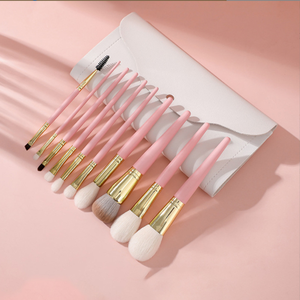
Handle: Eco-Lacquered Wood
Application: Eyeshadow & Contour Blending
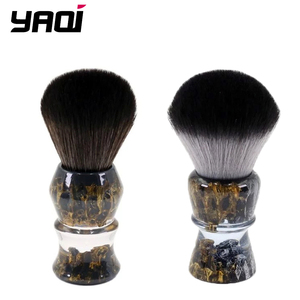
Handle: Ergonomic Polished Resin
Feature: Rapid Foam Density Creation
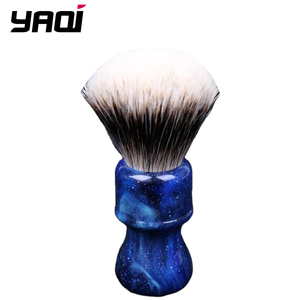
Material: Silvertip Grade Hair & Acrylic
Branding: Laser Engraved Logo Options
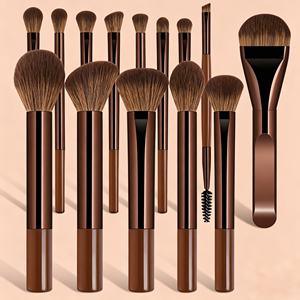
Bristle: Ultra-Soft Vegan Synthetic
Ferrule: Thickened Seamless Aluminum
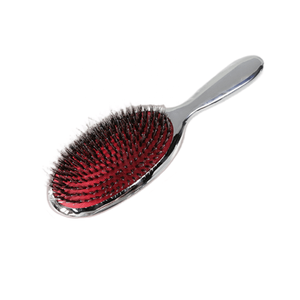
Pins: Anti-Static Flexible Nylon
Usage: Scalp Massage & Extension Blend
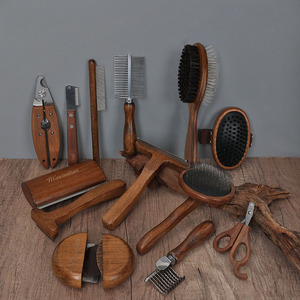
Pins: Rounded Stainless Steel & Boar
OEM: Silk-screen & Heat Transfer Logo
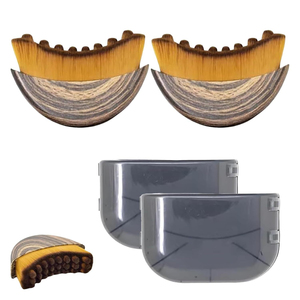
Structure: Ergonomic Palm Grip Wood
Sanitation: Antimicrobial Fiber Treatment
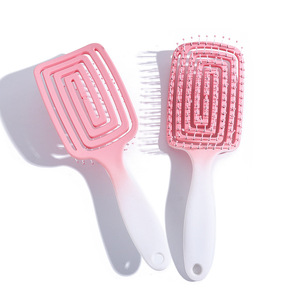
Material: Heat-Resistant Soft Polymer
Application: Quick Blow-Drying & Detangle
Executive Technical Overview: Sourcing Blending Brushes from China
A comprehensive analysis of bristle geometry, fiber physics, ferrule structural integrity, and supply chain governance for enterprise procurement teams.
In the modern beauty and cosmetic tool ecosystem, the blending brush serves as the critical bridge between product formulation and flawless application. Whether engineered for high-pigment eyeshadow dispersion, seamless liquid foundation diffusion, or facial contouring, the structural architecture of a blending brush dictates its performance on the skin. Sourcing these precision tools requires more than evaluating superficial aesthetics; global brand managers and purchasing directors must evaluate the underlying fiber science, assembly engineering, compliance metrics, and factory scalability.
As a premiere OEM/ODM cosmetic brush manufacturing group rooted in over 30 years of specialized brush-making heritage, our production infrastructure encompasses a 20,000 square meter standardized manufacturing facility staffed by over 300 skilled artisans and automated process technicians. Producing up to 800,000 brushes per month, our operation integrates raw filament processing, precision ferrule stamping, CNC handle turning, and multi-stage quality control. This white paper serves as an authoritative guide for international buyers navigating China's OEM/ODM supply chain for wholesale blending brushes and specialized cosmetic applicators.
Key Information Gain: The Physics of Seamless Blending
Optimal blending efficiency is determined by three mechanical factors: Tip Taper Geometry (micron-level tip fineness), Tuft Density vs. Flexural Modulus (the balance between rigidity for pigment pickup and flexibility for buffing), and Radial Symmetry. Premium natural fibers like XGF Goat Hair feature microscopic cuticles that grip powder particles, while advanced 3D Wave Synthetic Fibers replicate this cuticle structure mechanically without animal origin.
Technical Specifications: Material Science in Brush Manufacturing
Understanding raw material parameters allows procurement teams to balance product performance against target target unit cost (COGS). Below is a matrix comparing key bristle materials used in commercial blending brush manufacturing:
| Material Category | Fiber Source & Micron Spec | Pigment Pickup & Release | Durability & Wash Cycle Life | Ideal Application |
|---|---|---|---|---|
| XGF Goat Hair | Natural High-Grade Tip (12–15 μm) | Exceptional (Cuticle-driven grip) | Moderate (Requires gentle wash) | Deluxe Powder & Eyeshadow Blending |
| Micro-Filament Synthetic | PBT / PET Composite (0.05–0.07mm) | High (Engineered surface texture) | Ultra-High (Solvent & Heat Resistant) | Vegan Liquid, Cream & Gel Blending |
| Silvertip Badger Hair | Natural Soft Tip / Firm Shaft | Superior Water Retention | High (Resilient natural spring) | Men's Wet Shaving & Lather Diffusion |
| Anti-Static Nylon | Polyamide Polymer with Ion Coating | N/A (Designed for Hair Friction) | Extreme Mechanical Durability | Detangling, Vent Styling & Scalp Care |
Beyond hair selection, ferrule structural integrity prevents brush shedding—the single most common point of product failure reported by end-consumers. Our manufacturing process utilizes 0.4mm–0.6mm heavy-gauge brass or anodized aluminum ferrules. Ferrules undergo double-crimping procedures combined with high-tack, zero-VOC polyurethane epoxy adhesives poured into the tuft base via automated pneumatic dispensers. This guarantees pull-out tension resistance exceeding international beauty standard benchmarks (minimum 15 N force resistance).
Enterprise Manufacturing Infrastructure & Capabilities
Why leading global cosmetic brands, distributors, and retail chains rely on our factory direct supply network.
Full OEM & ODM Lifecycle Management
From 2D/3D CAD modeling of custom handles to rapid 7-day physical prototyping, we transform raw concepts into shelf-ready retail collections supported by private label branding, custom ferrule coloring, and tailor-made secondary packaging.
International ESG & Quality Audits
Our operations comply with stringent global governance frameworks. We maintain active certifications for ISO 9001 (Quality Management), ISO 14001 (Environmental Standards), ISO 45001 (Occupational Health), SA8000 (Social Accountability), FSC (Chain of Custody for Wood), and an EcoVadis Bronze Rating.
Rigorous 6-Stage Quality Assurance
Every production batch is subjected to raw fiber decontamination, tuft pull-force tests, alcohol/solvent resistance dipping, handle drop resilience testing, humidity chamber degradation tests, and final manual inspection prior to dust-free cleanroom packing.
Future Industry Trends: The Evolution of Blending Tool Procurement
As consumer preferences, environmental regulations, and ecommerce dynamics shift, purchasing managers must align their product roadmaps with key emerging trends in cosmetic tool manufacturing:
1. Synthetic Bio-Mimicry & Cruelty-Free Mandates
Regulatory bans on animal testing and expanding consumer demand for vegan beauty products have accelerated research into bio-mimetic synthetic fibers. Next-generation PBT filaments are engineered with micro-grooves that mimic the natural cuticles of goat and squirrel hair. This structural innovation allows synthetic blending brushes to deliver identical pigment payoff while offering superior durability, hypoallergenic properties, and easier cleaning with alcohol-based brush sanitizers.
2. Sustainable Component Traceability & Circular Packaging
Global retailers (such as Sephora, Ulta, and EU cosmetics distributors) increasingly mandate full supply chain transparency. Wooden handles must be sourced from responsibly managed forests certified by the Forest Stewardship Council (FSC). Furthermore, ferrules utilizing recycled post-consumer aluminum (PCR) and biodegradable PLA resin handles are transitioning from niche eco-collections to standard buyer requirements.
3. Ergonomic Hybridization & Multi-Functional Formats
Modern consumers seek streamlined beauty routines. As a result, demand for multi-use blending brushes—such as dual-ended eyeshadow/concealer blenders or vented contour/scalp massage brushes—is experiencing double-digit year-over-year growth. Factories equipped with modular tooling can rapidly adapt to these hybrid form factors without requiring prohibitive mold tooling fees.
4. Agility, Low MOQ Sampling, and Demand-Driven Batching
The rise of D2C cosmetic brands and indie beauty labels requires flexible factory partners. Leading Chinese manufacturers are replacing traditional monolithic production runs with agile manufacturing lines capable of handling targeted small-batch initial orders (1,000–3,000 units per SKU) followed by rapid scale-up upon retail validation.
Frequently Asked Questions (FAQ) for B2B Buyers
Essential answers regarding manufacturing lead times, customization capabilities, factory audits, and order management.
Partner with China's Premier Blending Brush Manufacturer
Ready to elevate your beauty product line with precision-engineered blending brushes, custom hair formulations, and certified factory-direct pricing? Our engineering team is standing by to review your tech packs and request for quote (RFQ).