Premier Wholesale Synthetic & Beauty Brush Collections
Engineered with high-grade synthetic Taklon filaments, anti-shedding ferrules, and custom ergonomic handles. Available for OEM, ODM, and bulk B2B private label manufacturing.
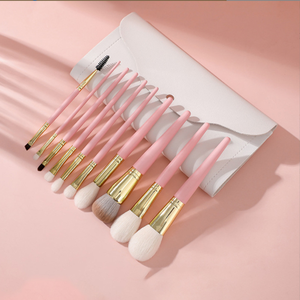
Wholesale Good Quality 10Pcs Pink Xgf Goat Hair Makeup Brush Set Traje De Cepillo De Maquillaje Profesional
Contact Us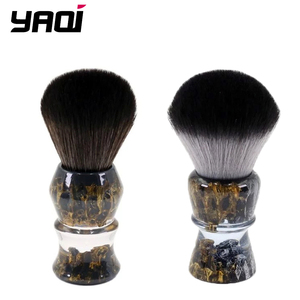
YAQI Cheap Synthetic Hair Resin Handle Men Wet Shaving Brush Custom Logo Brush
Contact Us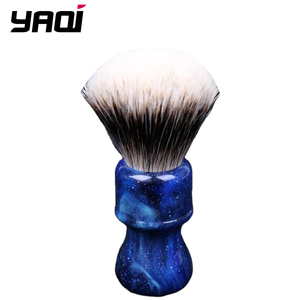
YAQI 24MM Space Color Handle Band Badger Hair Knot Men Shaving Brushes Shave Tool Custom logo
Contact Us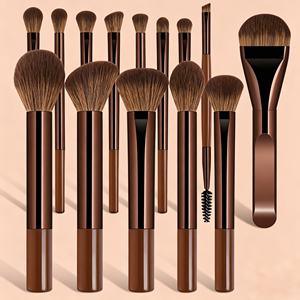
Custom Logo Premium Synthetic Makeup Brushes Kit Foundation Powder Blush Eye Shadow Brush Tools
Contact Us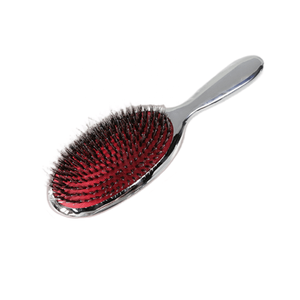
Silver Hot Wholesale Detangle Extension Brushes for Hair Customize logo Detangling Hair Brush Gold Plastic Handle
Contact Us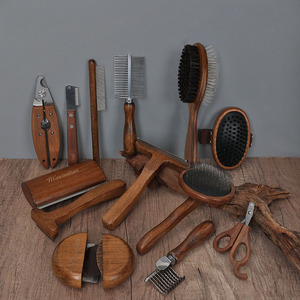
Wholesale Custom LOGO Cat Dog Wooden Handle Pet Grooming Comb Brush
Contact Us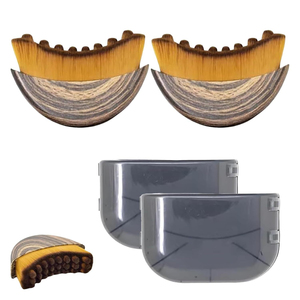
Wholesale Custom Private Label Logo Synthetic Hair Dry Brush Plastic Wood Body Lymphatic Contouring Brushes
Contact Us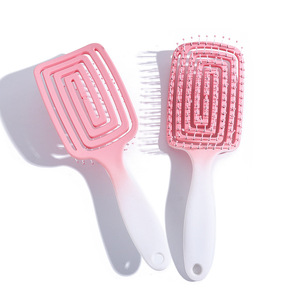
Custom Styling Anti-Static Nylon Hair Massage Comb For Wet Dry Curvy Vent Detangling Curly Hair Brush
Contact UsThe Evolution of Taklon Fiber Technology in B2B Cosmetic Manufacturing
A comprehensive analysis of polymer chemistry, mechanical tipping processes, and ethical sourcing dynamics driving global synthetic brush procurement.
The global beauty and personal care cosmetic tool industry is undergoing a structural transition. Importers, brand managers, and procurement officers are increasingly replacing traditional natural animal hair (such as goat, squirrel, and pony hair) with engineered Taklon synthetic filaments. As leading China wholesale Taklon brushes manufacturers, modern OEM production facilities have evolved far beyond basic nylon tufting. Today's Taklon represents a sophisticated pinnacle of thermoplastic polymer extrusion technology—primarily engineered from Polybutylene Terephthalate (PBT) and Polyethylene Terephthalate (PET).
Taklon was originally conceived to mimic the natural taper, surface scale structure, and elasticity of natural sable hair. However, continuous research and development in Chinese manufacturing centers have elevated Taklon into a superior material class. Unlike natural hair, which exhibits structural inconsistency, cuticular breakdown, and high vulnerability to microbial colonization, synthetic Taklon filaments provide uniform diameter control, zero cruelty, chemical inertness, and superior mechanical memory.
Micron-Tapered Tips
Chemical and mechanical feathering processes shrink filament tips down to 0.01mm–0.05mm, matching the soft skin feel of XGF goat hair without irritation or fiber breakage.
Hypoallergenic Hygiene
PBT filaments feature non-porous surfaces that resist liquid cosmetic absorption, preventing bacterial accumulation and simplifying deep sanitization for professional artists.
Elastic Recovery
Engineered tensile memory guarantees that brush heads retain their exact geometric shape—whether flat, angled, or dome-shaped—even after hundreds of wash cycles.
Polymer Extrusion & Surface Micro-Texturing
The manufacturing process of high-performance Taklon begins with virgin PBT resin pellets. During thermal extrusion, polymers are forced through spinneret dies under precise temperature control. To solve the historical challenge of synthetic fibers struggling to pick up loose dry powders (such as setting powders and mineral blushes), Chinese chemical engineers pioneered micro-crimp wave treatments and etched surface micro-grooves.
By imparting microscopic waves (crimping) and surface friction channels along each individual filament, Taklon brushes create electrostatic and mechanical traction. This enables them to grab, hold, and evenly deposit fine particulate powder pigments just as effectively as cuticular animal fibers, while retaining unrivaled fluidity when applying cream, gel, and liquid foundations.
Comparative Performance Matrix: Taklon vs. Alternative Fibers
Quantitative empirical evaluation of fiber characteristics across cosmetic application parameters.
| Performance Metric | High-Grade Taklon (PBT) | Natural Goat Hair (XGF/YSN) | Standard Nylon Fiber | Recycled PCR-PBT |
|---|---|---|---|---|
| Cruelty-Free & Vegan Status | 100% Certified Vegan | Non-Vegan (Animal Derived) | 100% Synthetic | 100% Eco-Certified Vegan |
| Fiber Tapering Tip Radius | Ultra-Fine (0.01mm – 0.03mm) | Natural Feather Tip | Blunt / Broad (0.08mm) | Fine (0.02mm – 0.04mm) |
| Liquid & Cream Pickup/Release | Superior (Non-Porous 98%) | Moderate (Absorbs Product) | Good (Non-Porous) | High (Non-Porous 96%) |
| Powder Pigment Payoff | High (Micro-Crimped) | Exceptional (Cuticle Grab) | Low (Slippery Surface) | High (Micro-Etched) |
| Tensile Pull-Strength Resilience | High (>4.5 kgf force) | Variable (Prone to Snap) | Very High (>5.0 kgf) | High (>4.2 kgf force) |
| Bacterial Retention Rate | < 0.5% Microbial Load | High (Porous Cuticles) | < 0.8% Microbial Load | < 0.5% Microbial Load |
| Cost-per-Unit Efficiency | Optimal / High Margin | High Cost / Volatile Supply | Lowest Cost | Balanced Sustainable Margin |
*Data compiled based on standard ISO 22196 antibacterial testing and physical lab pull-tension benchmarks for cosmetic tool manufacturing.
End-to-End OEM/ODM Production Workflow & Quality Metrics
How leading Chinese manufacturers turn raw polymers and metal ferrules into retail-ready premium cosmetic brushes.
Filament Selection & Electrostatic Hair Bundling
Raw Taklon fibers are color-matched, length-graded, and aligned using electrostatic vibration cups. Skilled artisans and automated tufting machinery hand-form the initial brush head profile to ensure zero stray hairs.
Precision Tapering & Micro-Grinding
For custom head shapes (tapered kabuki, angled contour, dome powder), hair knots undergo multi-stage wet grinding and chemical feathering. This guarantees silky-soft skin contact with zero harsh mechanical edges.
Ferrule Assembly & Polyurethane Epoxy Injection
Hair knots are inserted into seamless brass, aluminum, or recycled metal ferrules. High-grade, waterproof 2-part polyurethane epoxy glue is injected into the root base, curing under UV heat to establish permanent root lock.
Handle Turning, Weight Balancing & Lacquering
FSC-certified wooden handles or eco-friendly resin/plastic components are CNC-machined, weighted for ergonomic center-of-gravity balance, and coated with 7-layer non-toxic UV lacquer to resist water swelling.
Rigorous Quality Control & Pull Testing
Every batch undergoes pull-force testing (>3.5 kg tension per bundle), shedding inspection under mechanical comb passes, ferrule crimp strength verification, and cleanroom sanitization prior to final custom packaging.
Future Procurement Trends in Wholesale Taklon Manufacturing (2025–2030)
Strategic insights for sourcing directors navigating sustainability regulations, automation, and shifting consumer demographics.
1. Transition to Bio-Based & PCR Taklon
Environmental legislation in the European Union (EU REACH, microplastic directives) and North America is driving demand for sustainable synthetics. Chinese manufacturers are pioneering PCR-PBT (Post-Consumer Recycled PBT) made from ocean plastics and bio-based PLA (Polylactic Acid) filaments derived from renewable plant starches. These fibers match conventional Taklon performance while cutting carbon footprint by up to 45%.
2. Fully Automated Robotic Tufting & Crimping
To reduce labor variance and guarantee identical brush knot density across 100,000+ unit production runs, tier-1 Chinese factories are integrating 5-axis robotic hair-tufting systems. Automated visual inspection cameras scan every single brush tip in real-time, instantly rejecting knot profiles with micro-defects.
3. Antimicrobial Metallic & Mineral Infusions
Post-pandemic beauty consumers demand enhanced hygiene. Next-generation Taklon filaments are extruded directly with silver-ion (Ag+) or copper nanoparticles infused into the molten PBT resin. This creates permanent antimicrobial protection that suppresses bacteria growth throughout the life of the brush, even after frequent washing.
4. Multi-Textured Mixed Fiber Knots
Rather than utilizing uniform synthetic hair throughout a brush head, modern ODM formulations blend 3 to 4 distinct Taklon filament types—combining straight base fibers for structural spring with crimped micro-tapered tip fibers for powder payoff. This engineered blend outperforms traditional single-fiber brushes.
Comprehensive Manufacturing Footprint & Global Compliance
Built upon 30+ years of brush-making craft, operating out of a 20,000 m² state-of-the-art facility producing 800,000 brushes monthly.
For international beauty brands and wholesale distributors, supplier audit compliance is non-negotiable. Our OEM/ODM manufacturing infrastructure operates under stringent international standard certifications, ensuring seamless entry into tier-1 global retail networks (Sephora, Ulta, Watsons, Target, and European pharmacy chains).
ISO 9001 & ISO 14001
Systematic quality management protocols paired with audited environmental waste and chemical management systems to guarantee batch-to-batch consistency and eco-friendly manufacturing.
SA8000 Social Accountability
Fully compliant with international workplace standards, fair labor practices, safe working conditions, and ethical treatment across our entire 300+ member workforce.
FSC & EcoVadis Certified
Certified Chain of Custody for sustainably harvested wooden brush handles, recognized with an EcoVadis Sustainability Rating for responsible supply chain governance.
Frequently Asked Questions by Global B2B Buyers
Clear, direct answers regarding minimum order quantities, custom branding options, sample lead times, and shipping protocols.
Ready to Elevate Your Synthetic Brush Line?
Connect directly with our engineering and procurement team for custom quotes, technical material samples, and factory audit documentation.