Industrial Manufacturing Excellence & Global OEM/ODM Sourcing
In the rapidly evolving global beauty, personal care, and grooming sectors, business procurement executives face complex challenges: maintaining absolute product batch consistency, complying with stringent global sustainability directives (FSC, EcoVadis), and streamlining procurement lead times. This technical white paper analyzes the engineering benchmarks, filament science, and supply chain capabilities required to execute enterprise-grade bulk brush manufacturing.
Featured OEM/ODM Industrial Catalog & Specialized Solutions
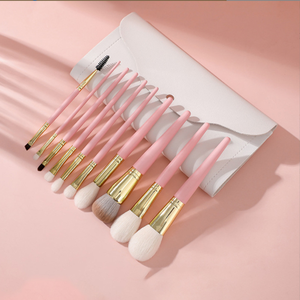
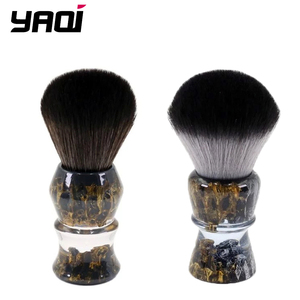
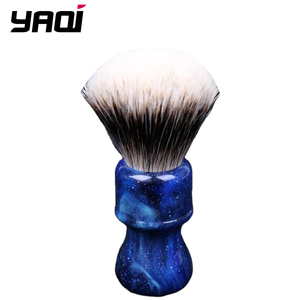
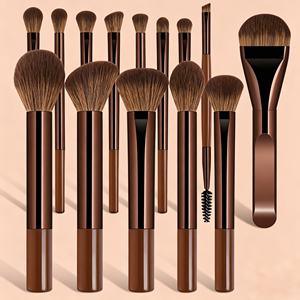
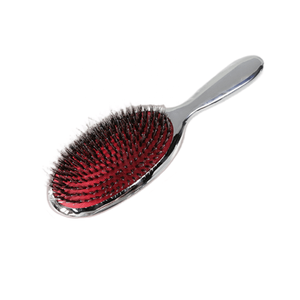
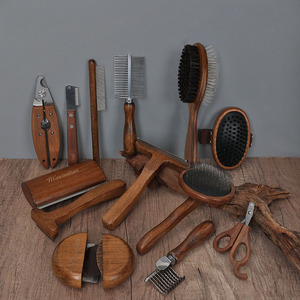
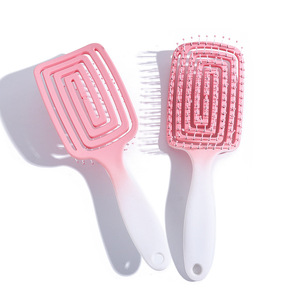
Explore our engineered bulk brush formulations spanning cosmetics, luxury shaving, detangling, body care, and specialized grooming applications. Designed for full private-label customization.
SANDEUL Corporation: Core OEM/ODM Industrial Advantages
With over 30 years of specialized focus, SANDEUL Corporation represents the pinnacle of Korean cosmetic brush engineering. Operating out of a state-of-the-art 20,000 m² facility with a workforce exceeding 300 skilled technicians, our infrastructure supports an annual production capacity surpassing 9.6 million units.
End-to-End OEM / ODM Engineering
From preliminary rapid prototyping and 3D modeling to tuft bundle density adjustment, custom ferrule anodization, and branded packaging design, we manage every industrial milestone in-house under strict project governance.
Tier-1 Quality Compliance Protocols
Our facilities hold full international certifications across ISO 9001 (Quality Management System), ISO 14001 (Environmental Management), ISO 45001 (Occupational Safety), SA8000 (Social Accountability), and an EcoVadis Sustainability Rating.
FSC-Certified Chain of Custody
In compliance with global timber regulations, SANDEUL enforces FSC (Forest Stewardship Council) Chain of Custody tracking on all wooden handle raw materials, guaranteeing 100% legally sourced, sustainably harvested birch, beech, and ash woods.
Enterprise Audit Certifications Verified:
Material Science: Natural Hair Fiber vs. Synthetic Filament Mechanics
Understanding raw material characteristics is critical for procurement teams optimizing product performance against cost structures. SANDEUL’s R&D department evaluates fibers under scanning electron microscopy (SEM) to engineer optimal surface tension, powder pick-up, and tactile payoff.
| Material Category | Micro-Structure Characteristics | Powder Pick-up / Payoff | Durability & Wash Cycles | Ideal Application Scope |
|---|---|---|---|---|
| XGF Fine Goat Hair | Natural overlapping cuticles; ultra-fine natural tip tapering (<0.05mm). | Exceptional mechanical powder entrapment; smooth, gradual payoff. | Moderate; requires specialized conditioning cleansers. | Luxury powder, blush, and setting brushes. |
| Silvertip / Banded Badger | High flexural memory; firm shaft with soft micro-tips. | High water retention; rapid lather generation with soap cakes. | High tensile strength; highly resistant to constant moisture. | Men’s wet shaving knots, heavy contouring tools. |
| Dermofil™ Synthetic (PBT) | Engineered wavy micro-crimping; chemically tapered tips (<0.02mm). | Controlled electrostatic pickup; uniform film deposition. | Extreme; immune to alcohol, oils, and frequent detergent washing. | Liquid foundation, concealer, vegan cream formulations. |
| Anti-Static Vent Nylon | Smooth cylindrical extrusion with high-heat memory and ball-end tips. | N/A (designed for mechanical detangling and hair airflow). | Ultra-high impact and heat resistance (up to 220°C). | Scalp massage, salon blow-drying, wet/dry detangling. |
Information Gain Highlight: Recent regulatory shifts in North America and the EU (such as REACH and modern PFAS bans) require non-toxic chemical treatments for synthetic hair fibers. Modern PBT (Polybutylene Terephthalate) filaments utilize solvent-free acid etching to create synthetic cuticles that mimic natural goat hair without relying on fluorinated surface coatings.
Future B2B Sourcing Trends in Bulk Brush Manufacturing
The international brush procurement market is undergoing a structural transformation driven by consumer ESG demands, omni-channel retail speed-to-market, and raw material innovations. Strategic buyers must prepare for several emerging operational trends:
1. PCR Plastics & Bio-Resins
Global brands are rapidly replacing virgin ABS/acrylic handles with 100% Post-Consumer Recycled (PCR) plastics, biodegradable PLA resins, and wheat-straw bio-composites. Manufacturers must provide verifiable supply chain carbon metrics to support retailer ESG disclosures.
2. Glue-Free Ultrasonic Ferrule Assembly
Traditional brush assembly relies on polyurethane or epoxy adhesives to secure hair knots inside aluminum ferrules. Next-generation ODM factories are implementing ultrasonic lock crimping and thermal fusion hair bases, eliminating chemical off-gassing and reducing tuft shed rates to near 0%.
3. Agile Prototyping & Micro-Batches
Direct-to-Consumer (DTC) beauty brands demand short sample-to-market cycles. Advanced manufacturers are bridging custom tooling bottlenecks via high-resolution SLA 3D printed handle prototypes, reducing physical sampling turnarounds from 6 weeks down to 5 business days.
Factory Audit & Technical QC Checklist for Brush Buyers
To prevent costly product recalls, quality disputes, or batch rejection during port customs inspections, procurement managers should evaluate potential OEM brush suppliers against these objective engineering benchmarks:
Technical Quality Control Audit Benchmarks
- Tuft Retention Pull Test: Minimum vertical tensile resistance of 3.5 kgf applied to central hair bundle without individual strand displacement.
- Ferrule Corrosion Resistance: 48-hour continuous neutral salt spray exposure (ASTM B117 standard) with zero oxidation, pitting, or anodization peeling on aluminum/brass ferrules.
- Handle Moisture Content: Hardwood handles (birch/beech) must be kiln-dried to a strict 8%–12% moisture equilibrium prior to 7-layer lacquer coating to prevent thermal warping or cracking in humid ambient retail environments.
- Adhesion Cross-Hatch Test: Logo foil stamping and lacquer coatings subjected to ASTM D3359 cross-hatch tape test (Grade 4B or 5B required for zero paint flaking).
- Autoclave Solvent Resistance: Synthetic filaments immersed in 70% Isopropyl Alcohol and makeup-cleansing oils for 24 hours without fiber crimp degradation or color leaching.
Frequently Asked Questions (FAQ) for Bulk Procurement
Clear, authoritative guidance addressing critical operational questions from global sourcing teams, brand managers, and wholesale distributors.