


1. Strategic Outlook: The Paradigm Shift in B2B Cosmetic & Styling Brush Sourcing
The global beauty tool sector is undergoing a profound structural shift driven by evolving consumer expectations, regulatory tightening regarding synthetic polymers, and an imperative for environmental accountability. For procurement directors, brand founders, and cosmetic product managers, selecting an OEM/ODM professional brushes supplier and exporter is no longer merely a transactional vendor decision—it is a core strategic partnership that impacts product efficacy, brand equity, and supply chain continuity.
In modern contract manufacturing, buyers demand far more than basic assembly. Directives now mandate full traceability of raw materials, rigorous verification of cruelty-free synthetic filament engineering, antimicrobial tufting technology, and audited factory floor ergonomics. As regulatory bodies in North America and Europe tighten restrictions on per- and polyfluoroalkyl substances (PFAS) and heavy metals in synthetic colorants, leading suppliers must provide detailed chemical compliance records alongside flawless aesthetic craftsmanship.
Partnering with a fully certified OEM/ODM manufacturer guarantees compliance with EU REACH, US FDA cosmetic utensil standards, and global ESG disclosure requirements, insulating your brand against regulatory friction and costly product recalls.
2. Technological Innovations Shaping Next-Gen Brush Manufacturing
The transition from traditional natural animal hair to bio-engineered synthetic filaments represents the most significant technological leap in brush manufacturing over the past two decades. Historical challenges regarding synthetic hair—such as smooth surface slickness leading to poor powder pickup—have been overcome through advanced surface texturing micro-machining.
A. Micro-Wave Filament Crimping & Surface Etching
Modern premium synthetic brushes utilize Polybutylene Terephthalate (PBT) and Polyethylene Terephthalate (PET) memory filaments subjected to custom heat-setting micro-crimping. By introducing microscopic wave patterns along each individual strand, engineered filaments emulate the natural cuticles of goat or squirrel hair. This structural alteration allows synthetic bristles to hold, transport, and deposit fine mineral powders, liquid foundations, and high-viscosity creams with unprecedented precision.
B. Mechanical Ferrule Crimping & Glue-Matrix Stabilization
High-performance makeup and hair brushes fail most frequently at the ferrule junction. SANDEUL Corporation’s advanced manufacturing protocol employs a dual-stage adhesive injection matrix combined with mechanical pneumatic crimping. Epoxy resins are formulated for thermal stability and moisture resistance, preventing bristle shedding even after repeated commercial sanitation using alcohol-based brush cleansers.
C. Ergonomic Handle Geometries & Sustainable Substrates
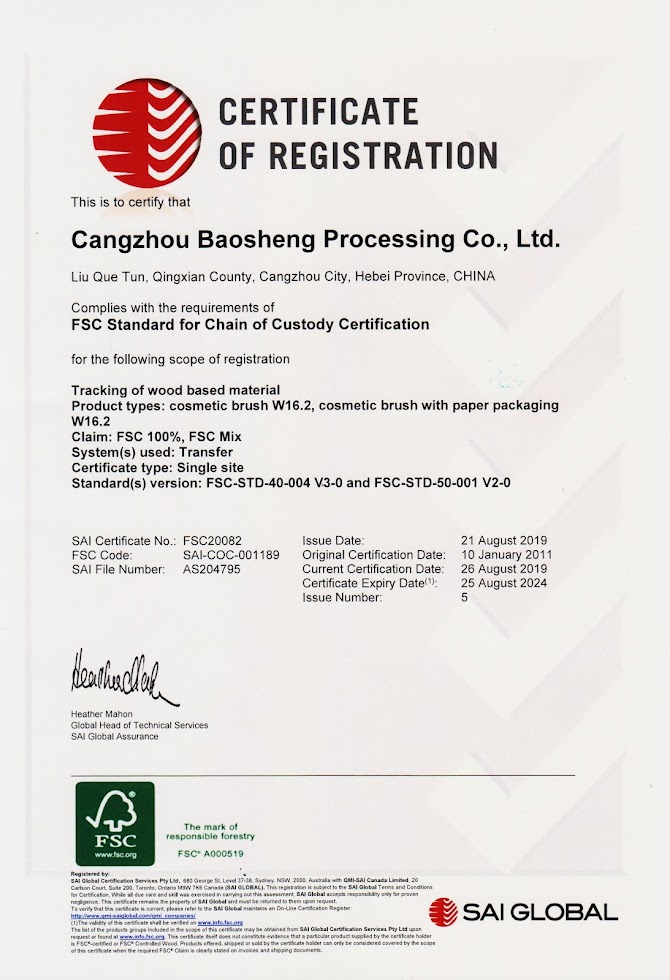
Handle design has evolved from basic aesthetics to precise ergonomic weight balancing. Utilizing FSC-certified birch, beechwood, and recyclable post-consumer resin (PCR) plastics, CNC lathed handles are weighted to shift the center of gravity closer to the ferrule junction. This reduces hand fatigue for professional makeup artists and hair stylists during prolonged salon or studio usage.
3. Global Future Sourcing Trends (2025–2030)
To assist global buyers in navigating upcoming sourcing paradigms, our strategic insights team has mapped out four macro trends currently restructuring the beauty tool supply chain:
1. Closed-Loop Circular Materials
Brands are phasing out virgin plastics in favor of ocean-bound plastic resins, biodegradable PLA handles, and recyclable aluminum ferrules. Contract suppliers capable of providing certified recycled content documentation will dominate market share.
2. Anti-Microbial & Hygienic Fibers
Post-pandemic consumer awareness has driven demand for self-sanitizing brush filaments. Infusing synthetic fibers with silver-ion or zinc nanoparticles inhibits bacterial growth within brush bundles between washes.
3. Precision Hybrid Tool Sets
The convergence of skincare and cosmetics has created a market for hybrid applicators—combining silicone spatula tips with high-density micro-tufted brushes for multi-functional product application.
4. Customization at Scale (Agile OEM)
Rapid beauty brand incubation cycles require contract manufacturers to offer flexible minimum order quantities (MOQs), rapid prototyping within 7–10 days, and modular packaging customization.
4. The Four-Stage OEM/ODM Engineering Lifecycle
Executing a successful private label brush program demands a structured workflow. At SANDEUL Corporation, our standard operating procedures eliminate design ambiguities and ensure predictable delivery timelines:
- Phase 1: Concept & Specification Alignment: Defining bristle density profile, handle material, ferrule finish, laser engraving specs, target cost per unit (CPU), and regulatory requirements.
- Phase 2: Rapid Prototyping & Sampling: Creating physical samples within 7–14 days for hands-on sensory testing, hair fall out evaluation, and color verification.
- Phase 3: Automated Mass Production & In-Line QC: Utilizing automated tufting machinery, precision bundle weighing, and multi-point visual inspection across the 20,000 m² production floor.
- Phase 4: Custom Packaging & Global Logistics: Complete integration of FSC-certified unit boxes, barcode labeling, bulk export cartons, and drop-shipping support for international sea and air freight.