Featured Vegan & Beauty Tool Collections
Engineered specifically for private label cosmetic brands, beauty chain distributors, and professional tool lines in Seoul and the global market.
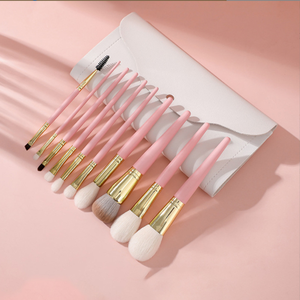
Wholesale Good Quality 10Pcs Pink Synthetic/Xgf Blend Makeup Brush Set Professional Kit
Get a Quote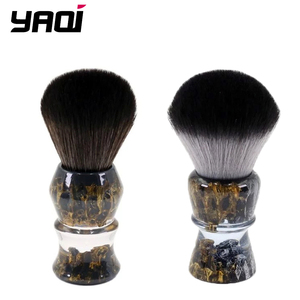
Custom OEM Synthetic Hair Resin Handle Men Wet Shaving Brush with Ergonomic Design
Get a Quote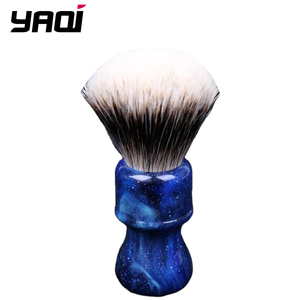
24MM Space Color Resin Handle Vegan Synthetic Knot Grooming & Shaving Brush
Get a Quote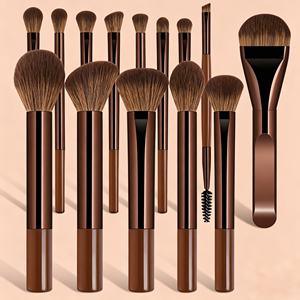
Custom Logo Premium Synthetic Makeup Brushes Kit (Foundation, Powder, Blush & Eyeshadow)
Get a Quote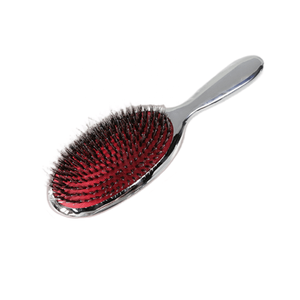
Silver & Gold Luxury Metallic Detangle Hair Extension Brush with Custom Branding
Get a Quote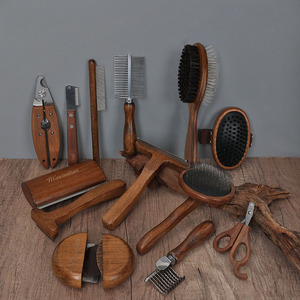
Eco-Friendly FSC Wooden Handle Pet Grooming & Massager Comb Brush
Get a Quote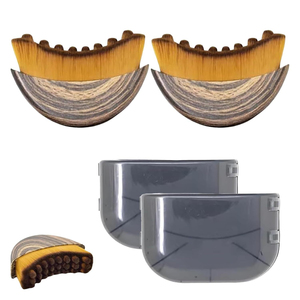
Private Label Synthetic Hair Dry Body Brush for Facial & Lymphatic Contouring
Get a Quote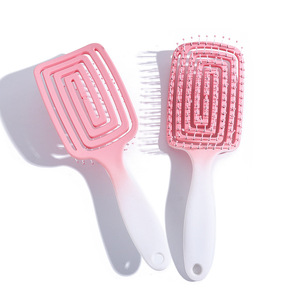
Anti-Static Curvy Vent Hair Massage Comb for Wet/Dry Curly Styling
Get a QuoteExecutive Analysis: Sourcing Vegan Synthetic Brushes for the Seoul Cosmetic Market
The cosmetic market in Seoul—often recognized as the epicenter of global beauty innovation through the phenomenon of K-Beauty—has undergone a definitive structural transformation. Historical reliance on natural animal hair (such as goat, pony, and badger) has declined rapidly over recent seasons. Today, leading beauty brands operating in prime Seoul districts like Gangnam, Myeongdong, and Seongsu-dong demand 100% cruelty-free, vegan synthetic fiber brush configurations that deliver performance superior to traditional natural bristles.
For B2B procurement directors, brand founders, and OEM sourcing specialists, identifying a top-tier Chinese manufacturing facility equipped to fulfill the exacting quality standards of the Seoul retail market is critical. Chinese brush manufacturing hubs—notably located in Henan, Cangzhou, and Shenzhen—produce over 70% of the world's cosmetic applicators. However, supplying the Korean market requires more than standard mass production. It mandates micro-fiber filament engineering, bio-based resin technology, zero-shedding ferrules, and stringent ESG certifications including FSC, ISO 9001, SA8000, and EcoVadis compliance.
This whitepaper provides an authoritative analysis of China's leading vegan brush manufacturing capabilities, evaluating material sciences, localized Seoul market application scenarios, quality control protocols, and supply chain logistics designed to minimize procurement risk for international brand operators.
Core Competencies of Premier Chinese Brush Factories
Key technical differentiators required to succeed in high-density, quality-sensitive cosmetic markets.
Advanced Bionic Filament Technology
Next-generation PBT and PET synthetic fibers engineered with micro-wavy textures and tapered tips (down to 0.05mm), mimicking the cuticle structure of natural hair for optimal powder pick-up and payoff.
International ESG & Quality Compliance
Production facilities fully audited with ISO 9001 quality assurance, ISO 14001 environmental management, SA8000 social accountability, FSC chain of custody, and EcoVadis sustainability benchmarks.
Rapid OEM/ODM Prototyping
In-house mold design and 3D prototyping enabling 7-day sample turnarounds. Complete customizability across ferrule anodization, timber lacquering, eco-friendly resin molding, and laser logo etching.
Material Innovations: Synthetic Bionic Hair vs. Traditional Filaments
A persistent technical challenge for Korean makeup artists and consumers has been achieving the effortless blending performance of natural hair without compromising ethical cruelty-free mandates. Early synthetic brushes constructed from raw nylon or basic polybutylene terephthalate (PBT) suffered from slick, smooth shafts that caused powder formulations to slip, resulting in uneven application on skin.
Top Chinese manufacturing facilities specializing in exports to Seoul have resolved this friction coefficient disparity through advanced chemical and mechanical filament processing:
- Micro-Crimping & Structural Micro-Scale Cuticles: Filaments are processed through thermal crimping machines that impart irregular micro-waves along each hair strand. This creates microscopic traps that hold pressed powders, loose powders, and liquid foundations effectively until pressure is applied against the dermis.
- Laser-Tapered Ultra-Fine Tips: Using precision acid-etching or high-speed laser grinding, fiber tips are drawn down from a 0.12mm base diameter to a 0.03mm-0.05mm ultra-soft apex. This ensures a velvety touch against sensitive facial skin profiles common in Asian demographic markets.
- Anti-Bacterial & Dermatological Treatments: Unlike natural hair, which harbors moisture and organic sebum leading to bacterial multiplication, synthetic bionic bristles are infused with silver-ion or zinc-based anti-microbial agents during the polymer extrusion process. This provides permanent protection against E. coli and S. aureus, aligning perfectly with South Korea's strict hygiene standards governed by the Ministry of Food and Drug Safety (MFDS).
Localized Application Scenarios in Seoul's K-Beauty Ecosystem
To successfully capture market share in Seoul, cosmetic tools must align with dominant regional application techniques and formulation textures. Sourcing managers must evaluate how factory tooling corresponds to these localized demands:
1. "Glass Skin" Cushion & Liquid Foundation Seamless Blending:
Seoul makeup aesthetics prioritize a luminous, dewy complexion without heavy cakeiness. Flat-top foundation brushes and dense angled kabuki brushes made with high-density 0.06mm micro-PBT fibers allow seamless buffing of high-moisture Korean liquid foundations and cushion refills without absorbing excess product into the brush core.
2. Precision Aegyo-Sal & Detail Contouring Tools:
Under-eye enhancement ("Aegyo-Sal") and sharp nose contouring require small, firmly packed flat definer and bullet smudge brushes. Chinese factories excel at producing miniature brass ferrules and hand-bound fiber tufts with absolute dimensional consistency (±0.2mm tolerance), giving Seoul beauty brands the precision required for regional cosmetic trends.
3. Scalp Care, Body Dry Brushing, & Wellness Spas:
Beyond facial cosmetics, Seoul's expanding premium day-spa and holistic body-care sector has created high demand for dry body contouring brushes and scalp ventilation massagers. Utilizing plant-based vegan sisal alternatives or hypoallergenic wavy synthetic bristles paired with FSC-certified wooden bases, Chinese manufacturers provide complete head-to-toe wellness brush solutions.
Structured OEM/ODM Manufacturing Workflow
From initial concept and physical sampling to mass assembly and Incheon/Busan port logistics delivery.
Engineering Brief & 3D Prototyping
Collaborative alignment on hair density, handle ergonomic geometry, material specification, target price point, and regulatory testing criteria.
Sample Fine-Tuning & Approval
Iterative physical sample creation within 7-10 business days. Pre-production samples undergo tuft pull testing, lacquering adhesion checks, and skin feel evaluations.
Automated Assembly & Quality Control
Mass manufacturing in 20,000m² facilities using automated hair trimming, epoxy glue injection, pneumatic ferrule crimping, and 100% manual inspection.
Packaging & Freight Logistics
Custom FSC-paper boxed packaging, barcode labeling, bulk carton palletization, and direct sea/air shipping to Seoul (Incheon Port / Gimpo Airport).
Evaluating Enterprise Strengths: Why SANDEUL & Partner Factories Lead the Field
When B2B buyers evaluate potential Chinese suppliers for the Seoul market, verifying verified manufacturing infrastructure is vital. Small trading intermediaries often lack quality control over fiber consistency and ferrule crimping, resulting in brush shedding, loose handles, and delayed deliveries that ruin product launches.
Leading manufacturing entities—exemplified by SANDEUL Corporation with over 30 years of specialized brush crafting experience—operate large-scale production bases spanning over 20,000 square meters with workforce teams exceeding 300 skilled technicians. With a monthly production output of approximately 800,000 brushes, these facilities provide enterprise-level reliability:
- Zero-Shedding Glue Injection Automation: Utilizing two-component polyurethane and epoxy resins applied via automated digital dispensers, brush knots are permanently fused inside seamless aluminum or copper ferrules. Pull-force tension tests exceed 5kgf, far above industry norms.
- Sustainable Handle Manufacturing: Recognizing South Korea's aggressive corporate sustainability directives, leading factories supply FSC (Forest Stewardship Council) certified wooden handles coated with non-toxic, water-based polyurethane lacquers, alongside recycled post-consumer plastic (PCR) options.
- Strict Batch-to-Batch Color Consistency: Synthetic fiber dyeing processes utilize computerized spectrophotometers to guarantee that brand-specific hair colors (pantone-matched pinks, dual-tone ombré, champagne gold, or matte black) remain identical across multi-thousand unit production runs.
Frequently Asked Questions for Seoul Market Sourcing
Direct, authoritative answers addressing common procurement, regulatory, and logistics queries from Korean beauty brand buyers.
Elevate Your Brand's Tool Strategy Today
Partner with an industry-leading OEM/ODM manufacturer committed to precision engineering, certified sustainability, and seamless supply chain performance for the Seoul market.
Get a Quote